Reviewed · BARCELONA TOURS
Guided Tour at Catalonia’s Royal Academy of Medicine
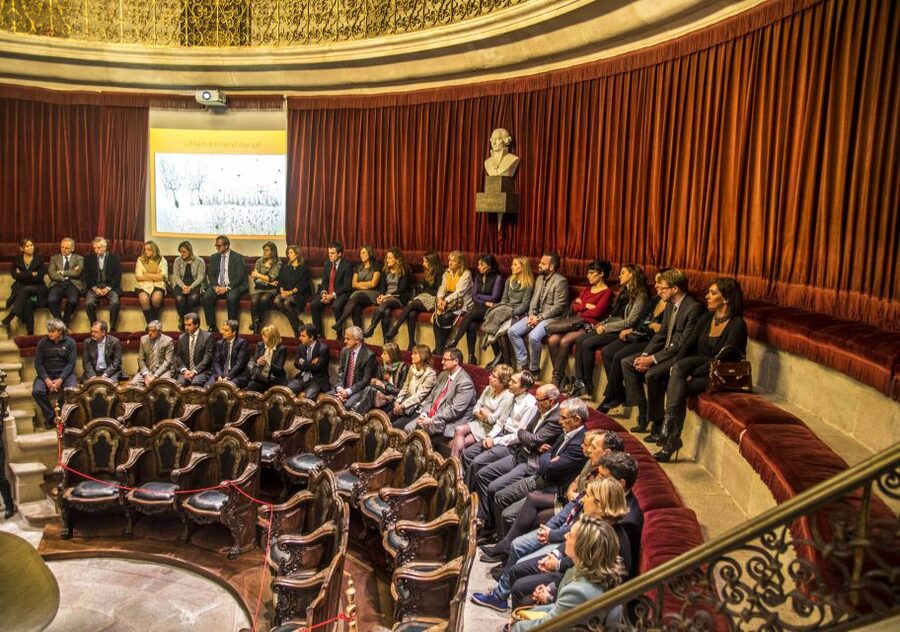
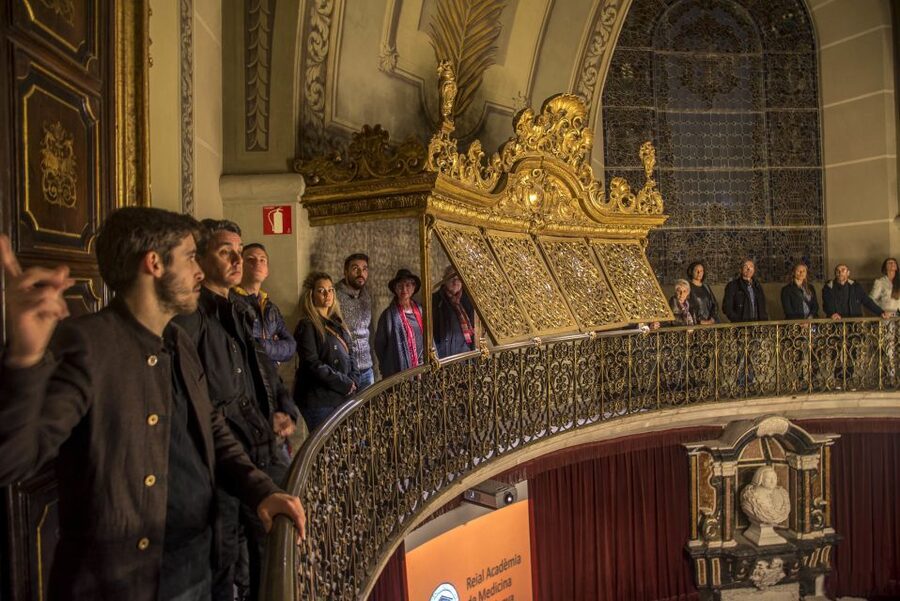
The anatomical amphitheater is the heart of this visit: a curved, neoclassical room built for teaching surgeons in the 18th century. Here, medical history is not tucked behind glass. It is part of the architecture, and you can see how the building itself served as a classroom.
I like two things in particular: the chance to see Spain’s last remaining anatomical amphitheater, and the way the tour ties medicine to the history of Barcelona. The Academy’s story also brings in scientists such as Pere Virgili, Antoni de Gimbernat, and Santiago Ramón y Cajal.
The main consideration is the short running time. Fifty minutes goes quickly, and the visit includes steps, so this is not a leisurely, step-free wander through every corner of the building.
- The amphitheater is the central draw: It was built by Ventura Rodríguez to train surgeons.
- The Academy connects medicine with place: It sits beside Barcelona’s first and main hospital.
- Spain’s first X-ray experiment took place here: A distinctive stop for anyone curious about medical history.
- The tour is compact: At 50 minutes, it works well as a focused visit between other plans.
- You can choose a live guide or audio support: Live tours are in Spanish, Catalan, or English; audio guide languages include Chinese, English, French, German, and Russian.
- Plan for steps: The visit includes stairs, although the activity is described as wheelchair accessible.
The anatomy theater at the center of the visit
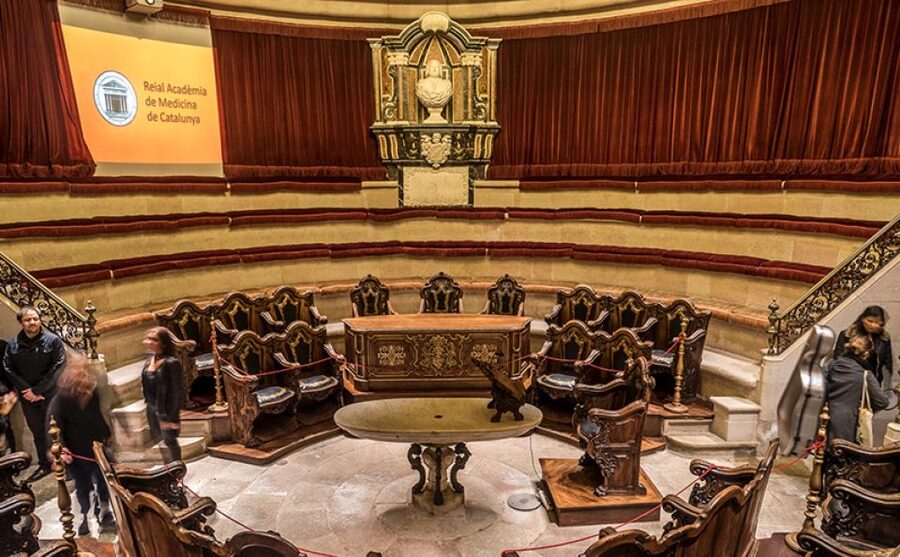
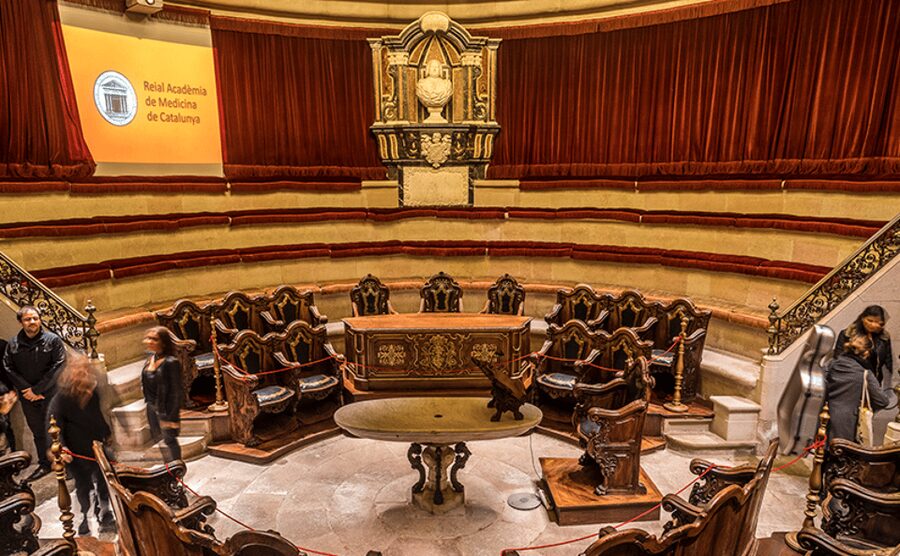
The Academy’s anatomical amphitheater is the reason to put this tour on your Barcelona list. Built by architect Ventura Rodríguez, it was designed for the practical training of surgeons in the 18th century. The room makes clear that medicine was taught not only through books, but also through observation and instruction in a purpose-built setting.
This is not simply a pretty old hall with a medical label attached. Its shape and design were part of its original purpose. A guided visit can help you read the room as a working teaching space, and understand why architecture mattered to the education of surgeons.
The amphitheater is described as the last anatomical theater of its kind remaining in Spain and one of the oldest in Europe. That makes the visit especially worthwhile if you like places where the historical setting is still the main event, rather than a backdrop for a large collection of displays.
Expect the room to be the main focus, not a full survey of the development of modern medicine. The tour lasts 50 minutes, so the guide has limited time to explain the building, its history, and the people linked to it. If you want a long, technical account of anatomy or surgery, this short visit may leave you wanting more.
A medical institution beside Barcelona’s first hospital

The Royal Academy of Medicine of Catalonia stands next to Barcelona’s first and main hospital. That location gives the building a useful context: it was part of a place where medicine was practiced and taught, not an isolated monument chosen for its looks.
The Academy’s history is tied to medical figures including Pere Virgili, Antoni de Gimbernat, and Santiago Ramón y Cajal. Their work helped open the way to new approaches in medicine and surgery. The tour gives you a chance to connect those names with the institution where medical learning took place.
You do not need to arrive as a medical student to get something from the visit. The building offers a clear meeting point between science, education, and architecture. If your interests lean toward the history of ideas, the tour can add a different layer to a Barcelona itinerary otherwise filled with churches, museums, and grand civic buildings.
The Academy is also a useful reminder that medical progress has a physical setting. Rooms, teaching spaces, and institutions all shaped how knowledge was shared. A guide can make that connection easier to see than a quick look inside on your own.
More guided tours in Barcelona:
- Barcelona: Sagrada Familia Entry Ticket with Audio Guide
★ 4.6 · 105,312 reviews - Barcelona: Park Guell Guided Tour with Skip The Line Entry
★ 4.7 · 17,563 reviews - Fast Track Sagrada Familia Guided Tour
★ 4.5 · 8,795 reviews
Walking through the Academy’s halls
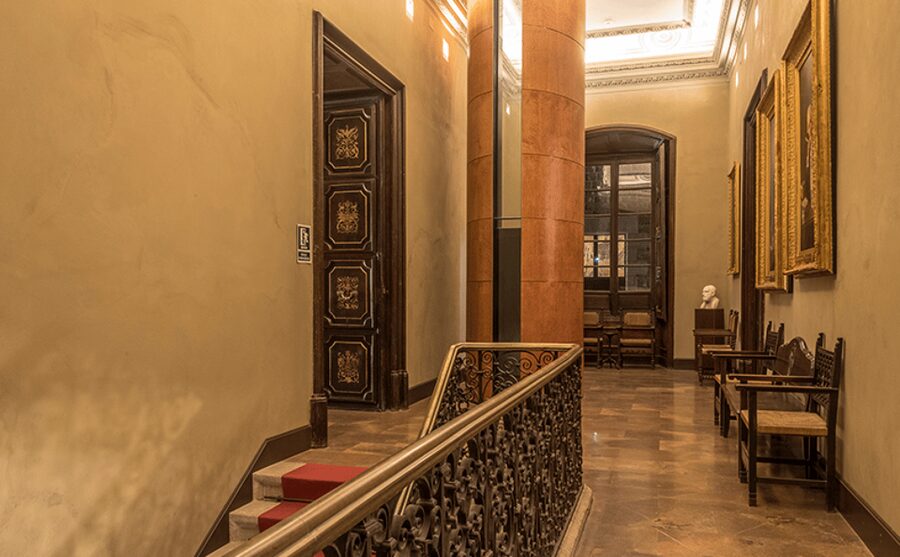
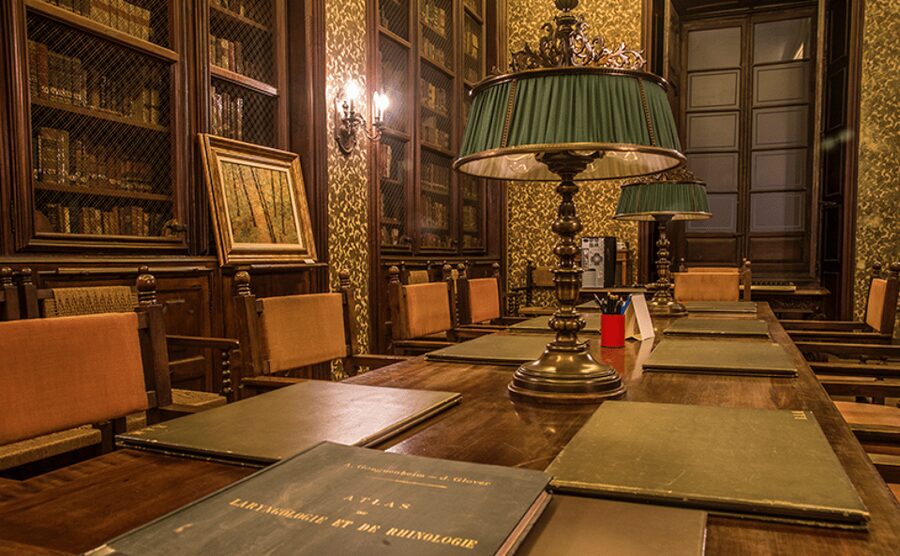
The visit includes time to walk through the Academy’s halls as well as see the amphitheater. These interior spaces help you get a sense of the building as a whole, rather than treating the theater as a detached attraction.
The Academy is described as one of Barcelona’s important neoclassical buildings. That makes the architecture part of the visit, even if you come mainly for medicine. You can look at how the building’s formal style frames a practical purpose: training surgeons and supporting medical learning.
The tour details do not specify a fixed room-by-room route, so it is sensible not to expect a particular sequence beyond the Academy’s halls and the amphitheater. The guide’s account is the thread that links those spaces. If you want to linger over every architectural feature, ask questions when there is an opening, but keep the 50-minute limit in mind.
One practical point: the visit includes steps. The activity is also described as wheelchair accessible, but those details deserve clarification before booking if step-free access is essential. A short tour can still be tiring if stairs are difficult, and the safest plan is to confirm what the route involves for your needs.
The place of Spain’s first X-ray experiment

One of the tour’s more unusual details is the claim that Spain’s first X-ray experiment took place at the Academy. It gives the visit a link to a turning point in medical technology, beyond the older story of anatomy and surgical training.
That detail is especially appealing if you enjoy the moment when a new scientific tool changes what doctors can see and do. The tour does not provide a separate X-ray demonstration, so think of this as a historical connection explained by the guide, not a hands-on exhibit.
It also helps balance the visit’s focus. The anatomical theater points back to 18th-century medical education, while the X-ray story reaches toward a newer era of diagnosis. Together, these details show how the Academy’s history is connected to changing methods, not only to a single historic room.
If you are visiting with someone who has little interest in medicine, this may be the detail that makes the tour easier to share. It is a concrete story, and it gives you a reason to look beyond the architecture.
What the guide adds in 50 minutes
The guided format matters here. The Academy is a historic institution, and its spaces make more sense when someone explains why they were built and how medical training took place. You are not just walking through a handsome interior and guessing at its former use.
Live guides lead tours in Spanish, Catalan, and English. Alex is one guide who has been singled out for an energetic presentation, though the guide on your date may be someone else. If you have a choice of language, book the one in which you are most comfortable asking questions.
An audio guide is included as well. The listed audio languages are Chinese, English, French, German, and Russian. The activity information also says audio is available in seven languages, but names only these five, so check the options when booking if you need a language other than those listed.
The length keeps the visit manageable. You can fit a 50-minute tour into a day without giving up a large block of time, and the focused subject makes it a good change of pace from broad city sightseeing. The trade-off is that it is a short introduction, not an in-depth course in the history of medicine.
More tours and experiences in Barcelona:
- Barcelona: Park Güell Admission Ticket
★ 4.4 · 76,534 reviews - Barcelona: Casa Batlló Entry with Self-Audioguide Tour
★ 4.7 · 25,359 reviews - Barcelona: 24 or 48-Hour Hop-On Hop-Off Bus Tour
★ 4.4 · 20,872 reviews - Barcelona in 1 Day: Sagrada Familia, Park Guell,Old Town & Pickup
★ 5.0 · 13,541 reviews
Is $16 a fair price?
At $16 per person, the fee includes Academy entrance, a guided tour, and an audio guide. That is reasonable value if you care about architecture or medical history, especially because the amphitheater is a rare surviving space with a specific purpose and story.
The price is less compelling if you mainly want a general Barcelona sightseeing tour. The Academy is a specialized visit, and its value depends on whether you find the link between medicine and architecture interesting. It is not a substitute for a large museum or a full day of historical touring.
I would see it as a compact, focused stop rather than a major activity around which to build an entire day. You pay for access and explanation in a distinctive building, not for a long route or a wide collection of exhibits. If you are already nearby and curious about medical history, the cost is easy to justify.
Practical details before you go
The meeting point is the Royal Academy of Medicine of Catalonia at Carme Street, number 47, Barcelona, 08001. Have the confirmation email from Sternalia before the tour begins. Between tours, the main door stays closed, and the guide opens it again five to ten minutes before the next tour, so do not expect to walk in early.
Wear comfortable clothes, particularly because the visit includes steps. Alcohol and drugs are not allowed, and the activity is listed as unsuitable for people with pre-existing medical conditions. If that description applies to you, check with the provider before booking rather than assuming the short duration makes the visit suitable.
The activity is marked wheelchair accessible, but the route also includes steps. Those statements may refer to different parts of the visit or access arrangements, so ask Sternalia about the exact route if you need step-free access. The tour runs for 50 minutes, with starting times depending on availability.
You can cancel up to three days in advance for a full refund. That gives you some flexibility, but the key decision is still whether the subject and the stairs fit your plans.
Who should book this visit?
I would recommend this tour to anyone with an interest in medicine, science, historic teaching spaces, or neoclassical architecture. Medical students and people with broad interests in how scientific knowledge developed should find the combination especially rewarding.
It can also suit a curious visitor who has already seen the main sights and wants a more specialized look at Barcelona. The theater is unusual, the building has a clear link to the city’s medical history, and the X-ray story gives the visit a memorable point beyond the architecture.
I would skip it if you want a long, hands-on museum visit, need a fully step-free route without advance confirmation, or have little interest in medical history. For $16 and under an hour, it is a focused way to see a rare space and understand what it was built to do.
FAQ
How long is the guided tour?
The tour lasts 50 minutes.
How much does the tour cost?
The listed price is $16 per person.
What languages are available for the live tour?
Live tours are offered in Spanish, Catalan, and English.
Which languages are listed for the audio guide?
The listed audio guide languages are Chinese, English, French, German, and Russian.
What is included in the price?
The price includes Academy entrance fees, a guided tour, and an audio guide.
Where is the meeting point?
Meet at the Royal Academy of Medicine of Catalonia, Carme Street, number 47, Barcelona, 08001.
Does the visit include stairs?
Yes. The visit includes steps. The activity is also described as wheelchair accessible, so confirm the route with the provider if access is a concern.
How late can I cancel for a full refund?
You can cancel up to three days in advance for a full refund.
Reviewed this season in Barcelona
- Two Hour Luxury Sailing Experience with Open Bar★ 4.8 · 13 reviews
- Sunset from a private Classic Yacht★ 5.0 · 3 reviews
- Stories, Legends and Mysteries of Barcelona★ 5.0 · 14 reviews
- Skip-the-Line Barcelona & Montserrat Tour with Pick-up★ 4.6 · 47 reviews
- Skip-the-line Montjuïc Castle Tour with a Cable Car Ride★ 4.7 · 7 reviews
- Barcelona: Old Town & Seafront Segway Tour★ 4.9 · 145 reviews
- Shore Excursion of Barcelona★ 4.9 · 4 reviews
- Barcelona Highlights Half Day Small Group Tour★ 5.0 · 4 reviews
Barcelona Tours, compared.

Sagrada Familia Entry Ticket with Audio Guide
Read our review →

Park Guell Guided Tour with Skip The Line Entry
Read our review →
Barcelona in 1 Day: Sagrada Familia, Park Guell,Old Town & Pickup
Read our review →