
Reviewed · ROSES TOURS
Roses: elBulli1846 Museum Entry Ticket
elBulli1846 asks a bigger question than what made a famous restaurant successful: how do cooks turn ideas into new ways of eating? Set on the former site of elBullirestaurante in Cap de Creus Natural Park, this museum traces the work of Ferran Adrià and his team through the ideas and methods behind the food.
I like two things in particular: you see the actual site where elBulli operated, and the exhibition links its story to a broader system for thinking about cooking and innovation. The outdoor section and the rooms devoted to interdisciplinary work give you more to consider than a timeline of celebrated dishes.
One consideration: this is a museum visit, not a meal or a cooking class. The focus is on ideas, history and projects, so you’ll get the most from it if you’re curious about how food is made and understood, not only eager to see famous plates.
What to know before you go
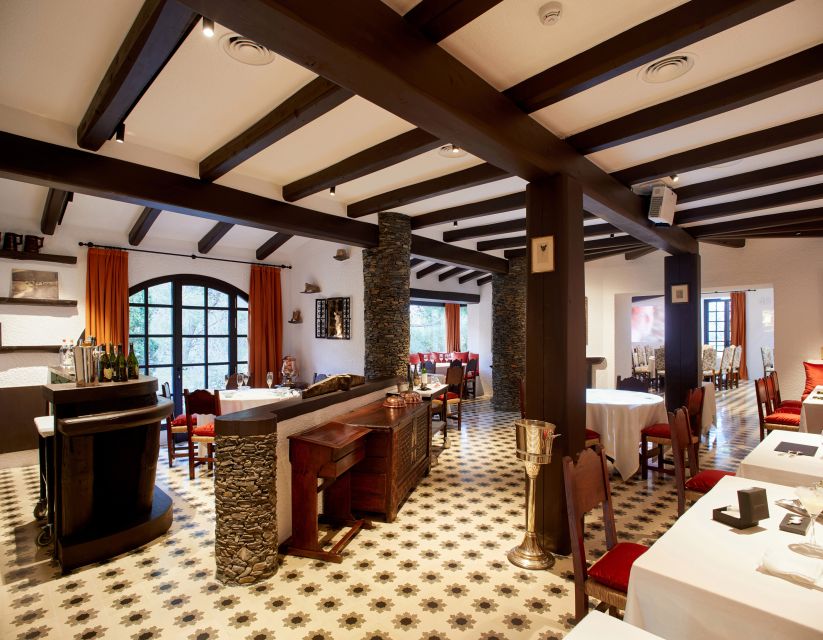
- The museum occupies elBullirestaurante’s former site: Cala Montjoi, in Cap de Creus Natural Park, is part of the story, not just the address.
- Four spaces make up the exhibition: Start outdoors, continue through the former restaurant area, then visit sections on interdisciplinary connections and elBulliDNA.
- Cooking is treated as a language: The exhibition explains how elBulli systematized innovation through cooking and explored the limits of gastronomic experience.
- The ticket includes an audio guide: You can listen in Catalan, Spanish, English or French. Bring headphones.
- Allow about two and a half hours: Starting times depend on availability, so check before booking.
- The early score is positive, but based on a small sample: The activity has a 4.8 out of 5 rating from five ratings, a promising sign rather than a large body of feedback.
A museum at the place where elBulli changed course
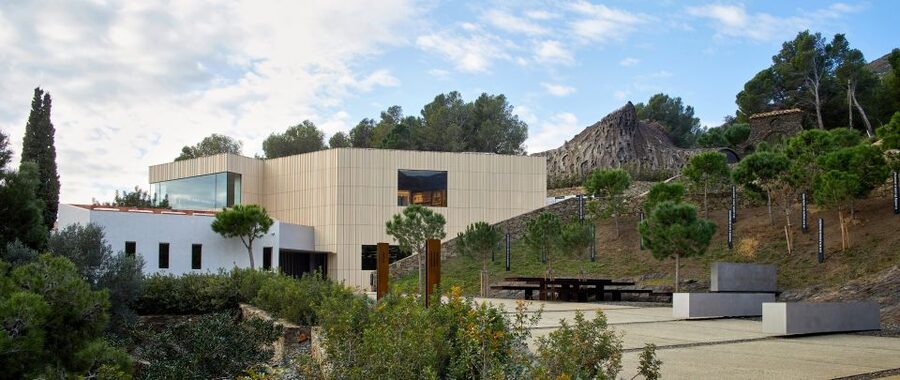
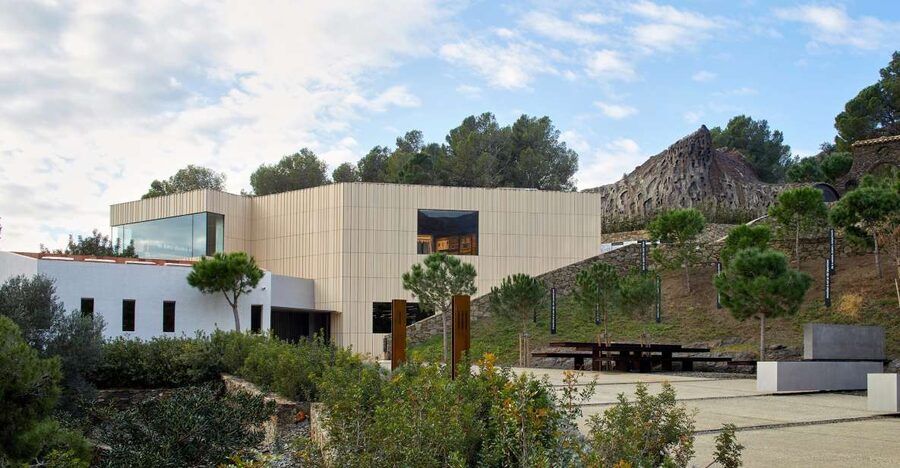
ElBulli1846 is the headquarters of elBullifoundation and stands on the site of the former restaurant at Cala Montjoi. The setting matters: you’re not looking at a separate museum assembled far from the place it describes. The museum uses the original site to tell how elBulli developed and why its approach affected world gastronomy.
That focus makes this visit different from a conventional food museum. Rather than centering the experience on recipes or tasting, elBulli1846 considers cooking as a field of knowledge and innovation. You’ll encounter the history of the restaurant, but also methods and questions that connect food to other areas of thought.
The experience is designed around four main exhibition spaces. Together, they move from broad ideas about cooking and innovation to the restaurant’s milestones, its links with other disciplines, and the foundation’s current work. The route gives you a structure to follow, while the audio guide can help make the ideas clearer as you go.
More museum visits in Roses:
- Barcelona: FC Barcelona Museum “Barça Immersive Tour” Ticket
★ 4.4 · 10,944 reviews - Barcelona: Park Güell and Gaudí House Museum Entry Ticket
★ 4.5 · 6,326 reviews - Barcelona: Picasso Museum Skip-the-Line Guided Tour
★ 4.5 · 3,355 reviews
Start outside with cooking, innovation and Sapiens
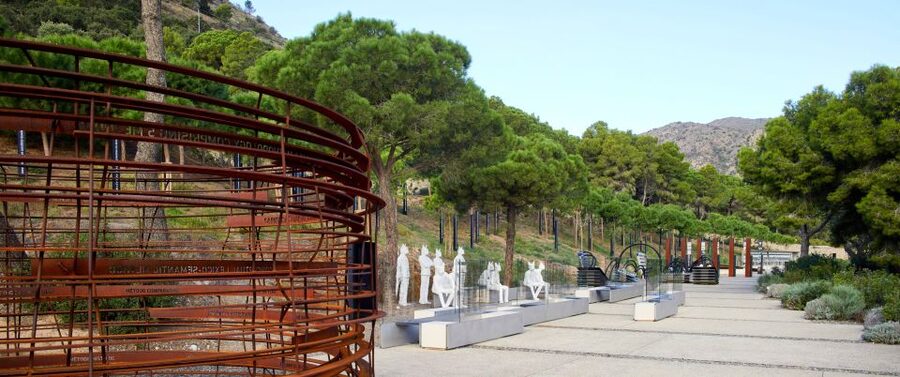
The first space is outdoors and introduces several themes that run through the visit: cooking, innovation, the people associated with elBulli, and the Sapiens methodology. This is a useful opening because it gives you a frame for the exhibition before you reach the former restaurant space.
Sapiens is a methodology developed to connect knowledge and understanding. The foundation applies it across its projects, including Bullipedia, an encyclopedia of the fine-dining sector in Western society. You don’t need to arrive with a background in food theory to follow the idea, but it helps to be ready for a museum that asks how knowledge is organized, not just what a dish looks or tastes like.
The outdoor area also pays tribute to the Bullinianos, the people who have helped make elBulli’s story possible and continue to contribute to it. That emphasis reminds you that innovation is rarely a solo act. The museum presents a restaurant’s history as the work of a wider community.
Because this part is outside, it may feel less like a standard gallery and more like an introduction to the ideas the museum wants you to carry forward. The trade-off is that visitors looking for a quick visual display of dishes may find the subject matter abstract. Give this section time; it establishes the terms of the rest of the visit.
Walk through the former restaurant’s milestones
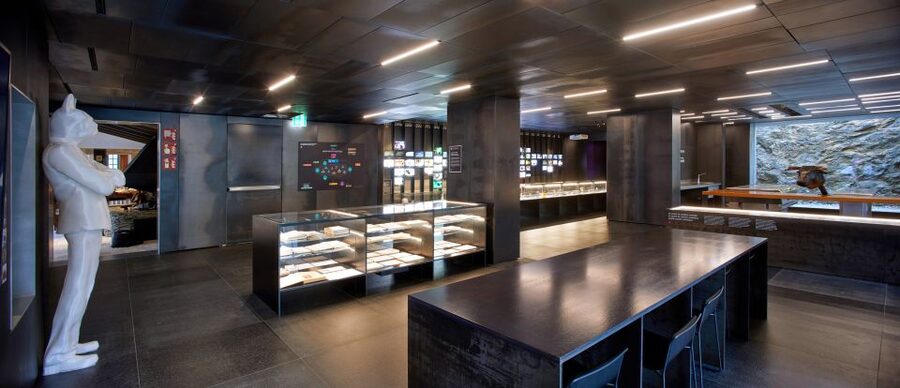
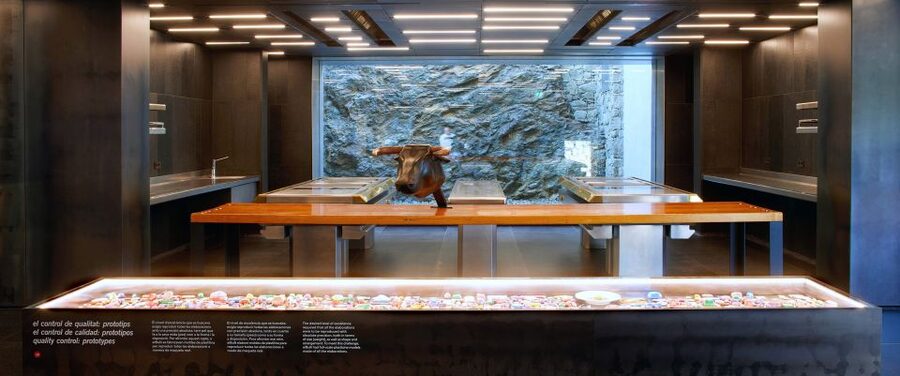
The space once occupied by the restaurant brings the focus to elBulli’s history. Here, the exhibition presents key milestones and explains how the restaurant came to apply systematized innovation through the language of cooking.
That phrase points to a central question: can a creative process be examined, organized and developed without making the result feel mechanical? elBulli1846 invites you to consider how methods can help a kitchen explore new possibilities. The museum also looks at the limits of gastronomic experience, asking how far food can stretch what you expect from a meal.
This is the most direct connection between the site and the restaurant’s influence. You’re standing in the place where the story unfolded, while the exhibition explains the ideas behind it. For anyone interested in food as more than a finished plate, that combination gives the visit its clearest sense of purpose.
Still, the museum’s emphasis is interpretive rather than hands-on. The information provided describes an exhibition, not a demonstration or tasting. If you want to understand how a restaurant can rethink cooking, this section should be rewarding; if you mainly want to eat elBulli-style food, the ticket does not promise that.
See how other disciplines fed the kitchen
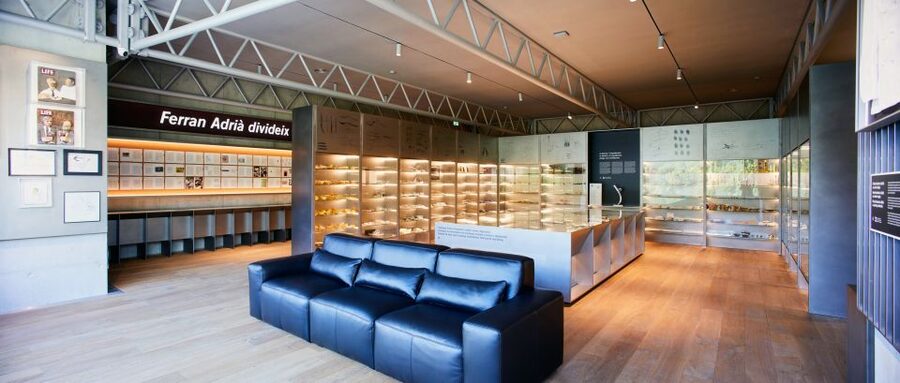
A separate space explores interdisciplinary relationships and how they enriched elBulli’s ability to innovate. This matters because the museum doesn’t present creativity as something that happens in isolation. It asks you to consider how ideas from outside cooking can be absorbed into a restaurant’s work.
The section offers a broader way to read the elBulli story. Instead of treating each new idea as a sudden flash of inspiration, it points toward exchange and influence over time. That is a useful perspective for anyone interested in how creative work develops, whether their own interests are in food, design or another field.
The available details don’t name the disciplines or explain every example in advance, so keep your expectations open. The value here is the connection itself: the museum asks you to look beyond the kitchen and think about what helps an innovative kitchen think.
More tickets in Roses:
- Barcelona: Sagrada Familia Entry Ticket with Audio Guide
★ 4.6 · 105,312 reviews - Barcelona: Park Güell Admission Ticket
★ 4.4 · 76,534 reviews - Barcelona Aquarium: Entry Ticket
★ 4.3 · 13,335 reviews - Barcelona: Sagrada Familia Skip-the-Line Entry Ticket & Tour
★ 4.8 · 12,789 reviews
Finish with elBulliDNA and the foundation’s work
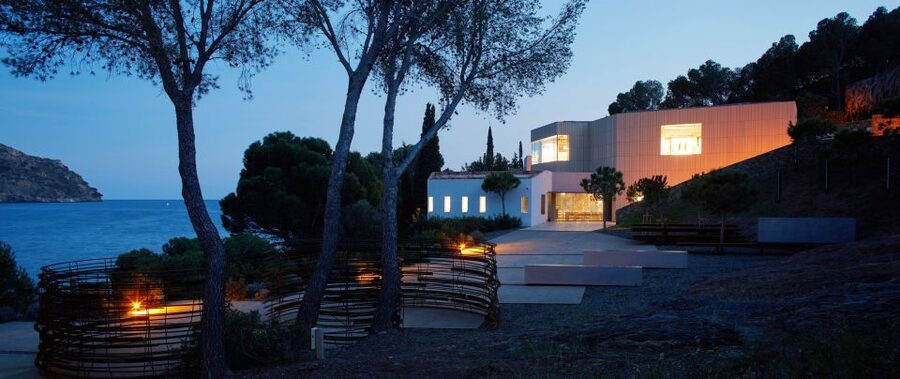
The final space is devoted to elBulliDNA and the projects carried out by elBullifoundation. The foundation was created to fulfil a three-part mission, and this area presents work that followed its establishment.
This closing section brings the museum’s story into the present. You move from the history of a restaurant to the continuing projects of an organization built around its legacy. Bullipedia is one example of that work, applying the Sapiens methodology to the fine-dining sector in Western society.
The shift is useful if you want to know what became of elBulli after its restaurant era. The focus is no longer only on what happened at the restaurant, but on how its ideas are being developed and shared. It also reinforces the museum’s larger aim: to make you think about knowledge and innovation, not simply admire a famous name.
Is two and a half hours the right amount of time?
The suggested duration is about two and a half hours. That gives you room to move through all four spaces without treating the museum as a quick stop. If you tend to read and listen carefully, plan around the full visit time rather than squeezing it between other activities.
An audio guide is included in Catalan, Spanish, English and French. Bring your own headphones, as they are listed among the items to bring. The guide gives you a way to follow the exhibition in your preferred language, though the experience remains centered on exploring the museum rather than joining a named guide.
Starting times vary, so check availability when choosing a date. The visit is wheelchair accessible. Free parking is available for motorcycles and bicycles, and for vehicles used by individuals with severe disability, subject to availability.
Is $31 fair value?
At $31 per person, this is a considered museum ticket rather than a casual, low-cost stop. Its value depends on what you want from the visit. You’re paying for access to a significant culinary site and an exhibition built around the history and methods of a restaurant that changed how many people think about cooking.
The ticket includes the museum and an audio guide, with a visit lasting around two and a half hours. That is a substantial amount of time for a single admission, especially if you take the exhibition at a thoughtful pace. There is no meal or tasting listed, so compare the price with your interest in food culture and ideas, not with the cost of a restaurant experience.
A 4.8 out of 5 score from five ratings is encouraging, but the small number of ratings makes it a limited guide. One short written comment describes the experience as very good on a first visit. Treat that as a positive early signal, while making your decision based on the museum’s subject and format.
Who will get the most from elBulli1846?
I’d recommend elBulli1846 if you’re interested in Ferran Adrià, the history of elBulli, or the ways people develop new ideas in cooking. The museum also suits visitors who enjoy exhibitions that ask questions rather than simply display objects. Its four-part structure gives you several ways into the subject, from the restaurant’s milestones to the foundation’s projects.
You don’t need to be a food professional to find something worthwhile here. The Sapiens methodology and the interdisciplinary section offer broader themes that can interest anyone curious about how knowledge and creativity work. Still, the visit is most satisfying if you’re comfortable spending time with concepts as well as history.
I’d look elsewhere if your main goal is to taste elBulli’s cooking, take a class or watch food being prepared. None of those activities is included in this museum ticket. And if you’re unsure about committing $31 and two and a half hours, consider whether the story of innovation itself interests you; that is the heart of the experience.
Should you book it?
Book elBulli1846 if you want to understand how a restaurant became a starting point for broader thinking about cooking, and you’re willing to spend a couple of hours with its history and ideas. The former restaurant site, the outdoor introduction, and the foundation’s ongoing work make the visit more layered than a simple commemorative display.
Skip it if you expect a meal, tasting or live demonstration. For the right visitor, the ticket offers a thoughtful look at elBulli’s legacy and the methods behind its influence. Bring headphones, check the available start times, and arrive ready to think as much as to look.
FAQ
Where is elBulli1846 located?
The museum is at Cala Montjoi in Cap de Creus Natural Park, Catalonia, on the site of the former elBullirestaurante.
How long does the visit take?
The stated duration is about two and a half hours.
How much does the ticket cost?
The listed price is $31 per person.
What does the ticket include?
It includes access to the elBulli1846 Museum and a free audio guide.
Which languages are available for the audio guide?
The audio guide is available in Catalan, Spanish, English and French.
Should I bring anything?
Bring headphones to use with the audio guide.
Is the museum wheelchair accessible?
Yes, the museum is wheelchair accessible.
Is parking available?
Free parking is available for motorcycles and bicycles. It is also available for vehicles used by individuals with severe disability, subject to availability.
Can I cancel the ticket?
No. The activity is non-refundable.
Reviewed this season in Roses
- Roses boat trip Special: snorkeling in Cap de Creus★ 4.3 · 21 reviews
- Roses: Cruise to Cala Murtra with Underwater Views★ 4.1 · 75 reviews
- Roses: Rent the boat and live an unforgettable experience★ 5.0 · 3 reviews
- Cadaqués & Underwater Vision: Magic on the Costa Brava★ 4.5 · 6 reviews
- Exclusive Experience: A Full Day in Cadaqués!★ 4.4 · 49 reviews
- Explore the Medes Islands & Discover the Magic of Estartit!★ 4.1 · 51 reviews
- Empuriabrava: SUP Yoga class★ 4.8 · 8 reviews
- Empuriabrava: kayak trip★ 4.6 · 8 reviews
Roses Tours, compared.

From Roses: Catamaran Cruise Cap Norfeu – Cadaqués
Read our review →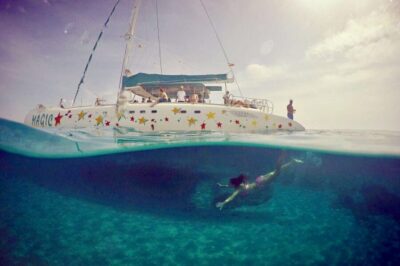
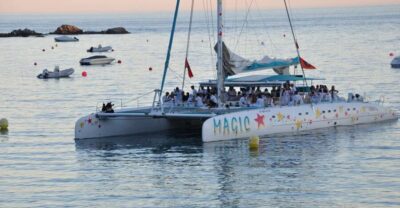
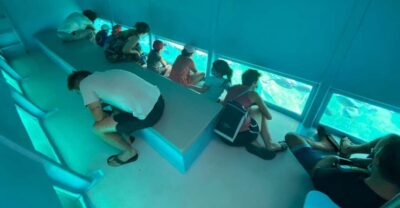
Cap Norfeu: Costa Brava Catamaran Trip with Underwater Views
Read our review →
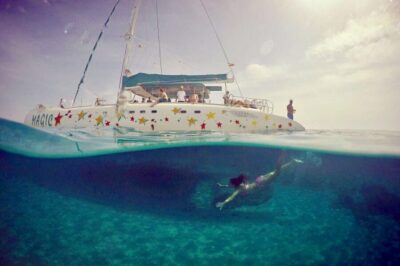
From Roses: Sailing Catamaran Cruise to Medes Islands
Read our review →
Roses: Cap de Creus & Port Lligat Boat Tour w/ Cadaqués Stop
Read our review →
Browse the lists this tour appears in