
Reviewed · BARCELONA TOURS
Barcelona: Mies van der Rohe Pavilion Ticket and Audio Guide
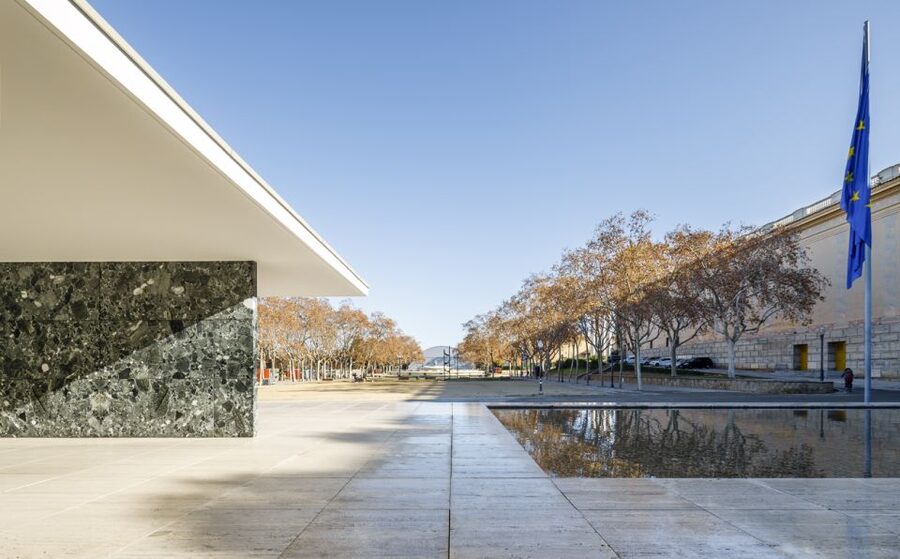
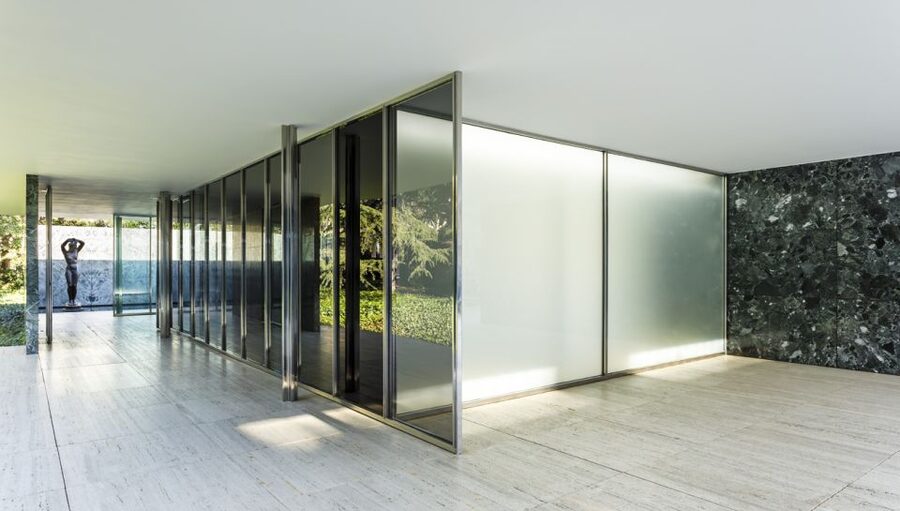
The Mies van der Rohe Pavilion makes a case for architecture with very little in it: a roof, slender supports, broad panes of glass, and striking stone. Built for the 1929 Barcelona International Exhibition, then dismantled and later reconstructed on its original site, it gives you a rare chance to study a modernist landmark at close range.
I like two things in particular: the calm, uncluttered space makes it easy to focus on the building itself, and the included audio guide gives context to a design that can seem almost too simple at first glance. One consideration: at $10, admission may feel steep if you expect a large museum or a long visit, and occasional artistic installations or photo shoots can change the atmosphere.
Key points to know
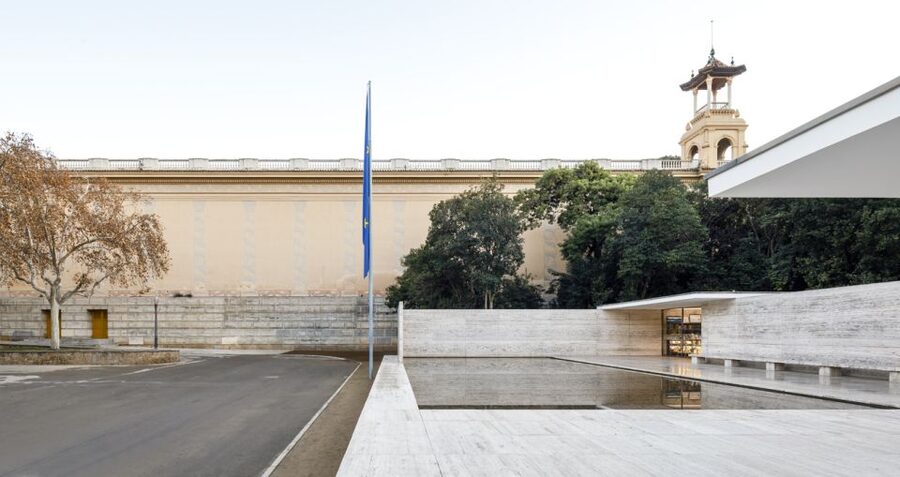
- A landmark by two designers: Mies van der Rohe and Lily Reich designed the pavilion for the 1929 exhibition.
- Rebuilt on its original site: The original structure was dismantled after the exhibition, then reconstructed and reopened in 1986.
- A compact visit with an audio guide: Learn about the design and its history in Spanish, Catalan, English, French, or German.
- An exercise in looking closely: Stone, glass, water, and open space do much of the work here.
- A relatively calm stop: The site can have fewer people than Barcelona’s major attractions, though photographers and artistic interventions may affect what you see.
- A modest but debated ticket price: Admission costs $10, and some people feel a public architectural landmark should be free.
Why this small pavilion merits a stop
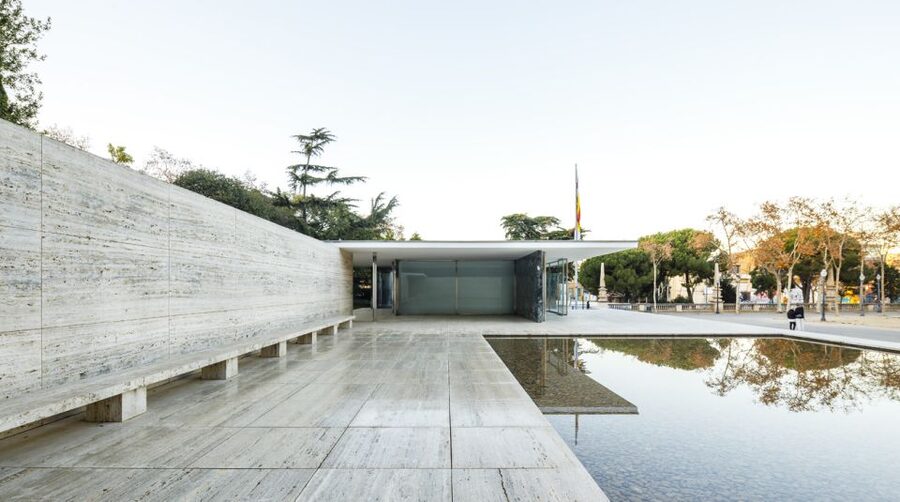
The pavilion is not a conventional museum, and that is part of its appeal. You do not come for a long list of exhibits or a grand interior packed with objects. You come to spend time with one building, and to notice how a few materials and carefully judged proportions can shape the way a space feels.
Mies van der Rohe and Lily Reich designed it as the German national pavilion for the 1929 Barcelona International Exhibition. After the event ended, the structure was dismantled. Its importance to modern architecture led to its reconstruction on the original site, where it reopened in 1986.
That history gives the visit an unusual second act. What you see today is not the original pavilion standing untouched since 1929, but a reconstruction that lets you encounter the design in the place for which it was created. The audio guide helps explain why the building mattered, and why generations of architects and artists have treated it as a point of reference.
The first impression can be deceptively simple. The building’s clean lines and open plan may look easy to understand, but the balance between its interior and exterior spaces is the real subject. Give yourself time to notice how one view leads into another, and how a change in material or angle can alter the feeling of the room.
More self-guided tours in Barcelona:
- Barcelona: Sagrada Familia Entry Ticket with Audio Guide
★ 4.6 · 105,312 reviews - Barcelona: Palau de la Música Self-Guided Tour
★ 4.6 · 3,603 reviews - Casa Batllo Admission Ticket with Intelligent Audio Guide
★ 4.5 · 3,168 reviews
The first look: glass, stone, and open space
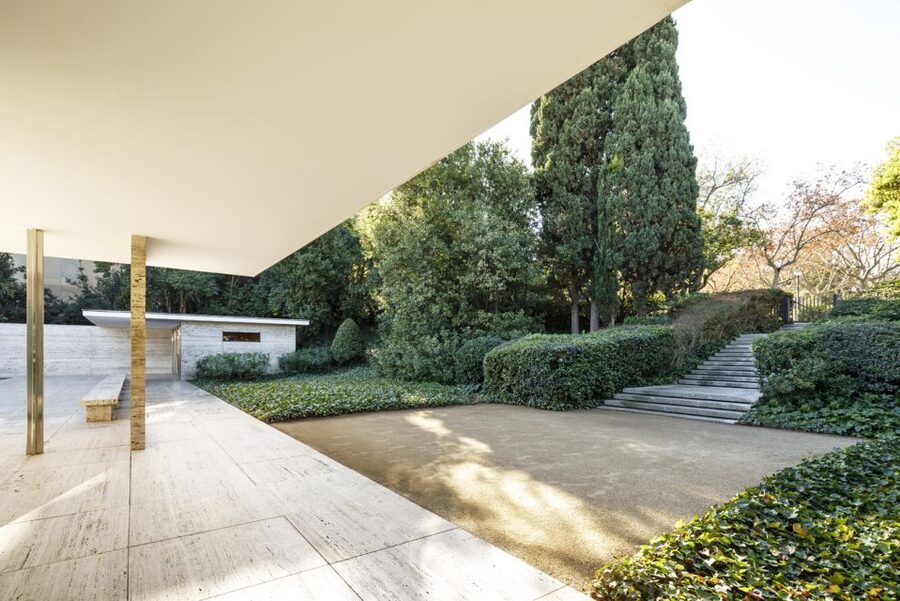
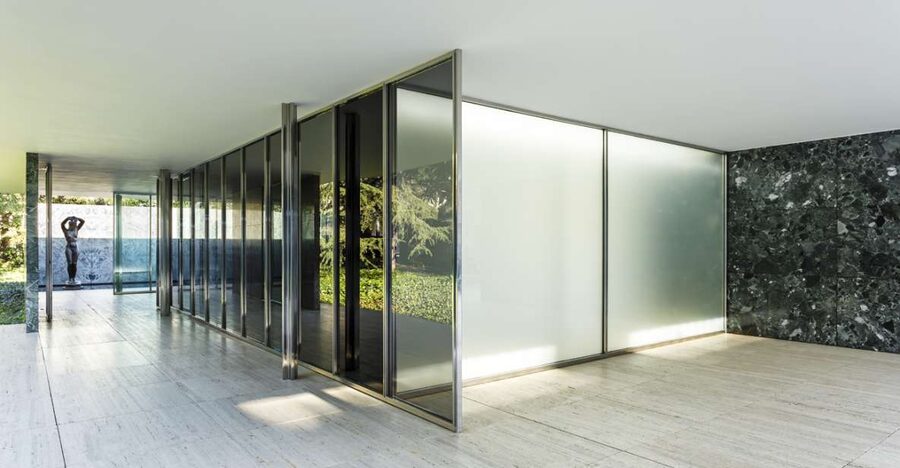
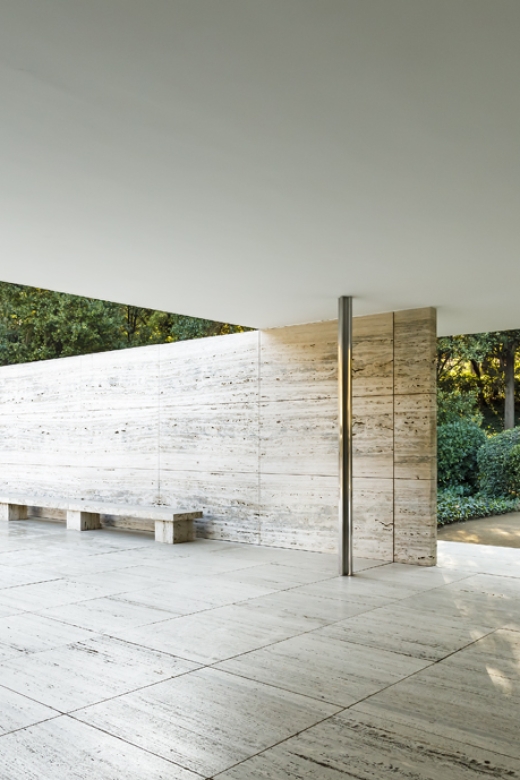
The pavilion’s impact comes from restraint. Instead of filling the space with decoration, the design lets the structure, surfaces, and sightlines take the lead. You can see through much of it, but the building still creates a distinct sense of place.
The palette includes materials brought from the Alps, Tivoli, Atlas, and Tinos. Their contrasts are central to the design: the surfaces are not merely background, but part of the experience of moving through the building. The provided information does not identify every specific stone or finish, so the audio guide is useful if you want more than a visual impression.
I recommend taking a moment before following the guide closely. Look at the proportions, the transitions between inside and outside, and how the building frames what is around it. Then use the audio to add the history and design reasoning behind what you have noticed.
This is a good stop for anyone who enjoys architecture, but you do not need to be an expert. The building’s clarity makes it approachable, while its precise details reward a slower visit. If you rush through, you may come away thinking there is not much to see. If you pause, the small decisions begin to add up.
Using the audio guide to read the building
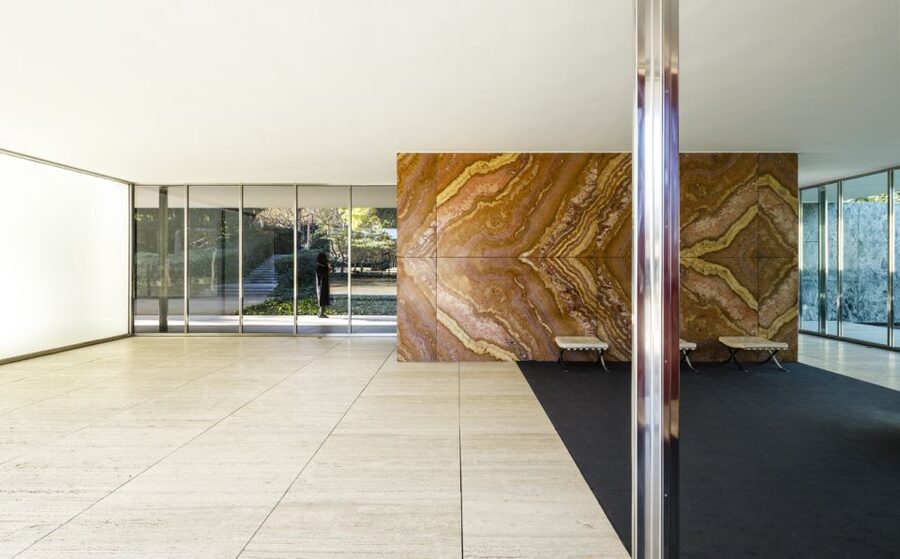
Your ticket includes an audio guide in Spanish, Catalan, English, French, or German. That matters here: a minimal building can leave you with questions about what you are meant to notice, and a little explanation helps connect the materials and layout to the pavilion’s role in the Modern Movement.
Treat the guide as a companion, not a script you must follow from start to finish. Listen, look, and give yourself time between explanations. The pavilion is not large in the way a museum is large, but the point is to observe rather than cover ground.
No individual guide is named, and this is not presented as a live guided tour. You should expect to explore at your own pace with the audio guide, rather than join a group led by a person. If you are visiting with someone who has little interest in architectural history, the short format may be a plus: you can take in the building without committing to a lengthy museum visit.
The audio guide is included, but remember that an audio guide only helps if you can access it at the site. If it is important to your visit, check that you have it before you begin exploring.
How the reconstruction changes the story
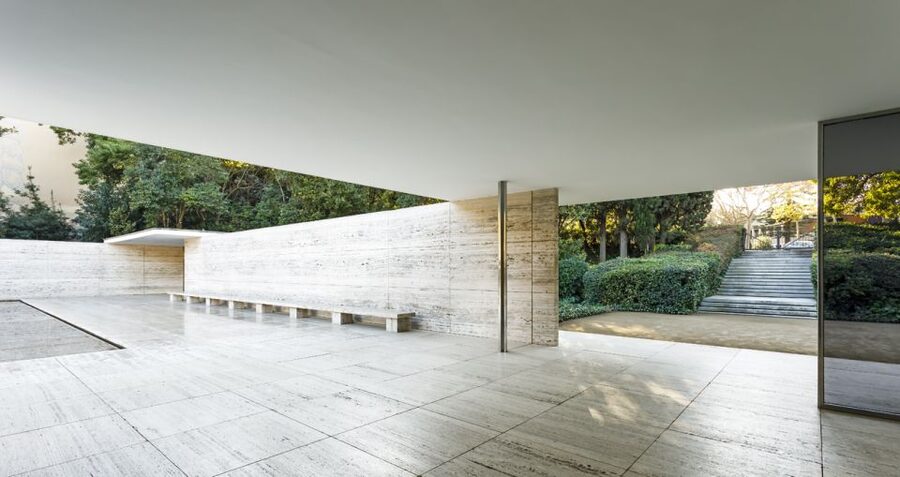
The pavilion’s history is not just a footnote. It was created for a temporary exhibition and dismantled after that event, so its later reconstruction says something about how influential the design became. In 1986, it reopened on its original site, giving visitors a chance to experience the concept in the setting it was designed for.
That distinction is worth keeping in mind. You are not stepping into a structure that has remained in place since 1929. You are seeing a reconstruction of a work that had already become a benchmark for modern architecture. For many visitors, that does not lessen the experience. It makes the preservation story part of it.
The pavilion’s continued influence also helps explain why a relatively small building attracts attention from architects and artists. Its forms are spare, but its ideas travel well: a direct relationship between interior and exterior, a carefully controlled palette, and an emphasis on proportion over ornament.
More audio-guided visits in Barcelona:
- Barcelona: Montjuïc Cable Car Ticket with Audio Guide
★ 3.9 · 270 reviews - Girona: Self-guided Audio City Tour on Your Phone
★ 4.0 · 12 reviews
A calm visit, with occasional changes
This can be a comparatively peaceful stop in a city full of major attractions. A visitor described the pavilion as having relatively few people during their visit, which suits a building best appreciated without a crowd pressing you along. But quiet is not guaranteed.
Professional photographers and models may be working at the site. One visitor found that they became part of the scene rather than spoiling it, but your own reaction may depend on what you came to see. If you want a clear view of the architecture, a photo shoot could be a distraction. If you enjoy seeing the pavilion in active use, it may add an unexpected layer.
The building can also host artistic interventions, and these may alter its appearance. That is a useful point to know if you are hoping to see the pavilion in a particular state. The design remains the main attraction, but the setting is not necessarily frozen in one presentation.
A short nature trail near the site offers another reason to make the stop if you want to spend a little more time in the area. It is not part of the ticketed pavilion experience, but it can pair well with a visit if you are not in a hurry.
Is $10 a fair price?
At $10 per person, this is a relatively low-cost ticket compared with many major Barcelona attractions. The price covers entry and the audio guide, so you are paying for access to a significant work of architecture and some context, not for a full day of exhibits or entertainment.
The value depends on what you enjoy. If you are curious about modern architecture, design, or the history of the 1929 exhibition, the pavilion offers a focused visit with a clear subject. If you prefer large collections, interactive displays, or a long itinerary, you may feel that the experience is brief for the price.
There is also a fair argument that an important public building should be free to visit. Some people do not think an admission charge is warranted, even while finding the pavilion impressive. That is a matter of personal value, not a flaw in the architecture. I would treat the ticket as worthwhile if you plan to spend time looking and use the audio guide, less so if you only want a quick photo.
The ticket lets you skip the ticket line, which is useful when you want to keep your day moving. It does not mean you should expect the site to be entirely empty, especially if photographers or an artistic installation are present.
Practical details before you go
The ticket is valid for one day, and you should check availability for starting times. Opening hours may change, so confirm them before setting out rather than relying on an old schedule. The experience is wheelchair accessible.
Smoking, food and drinks, pets, and tripods are not allowed inside. Assistance dogs are permitted. If you are carrying a tripod for photography, plan to leave it behind; photographers may be present, but tripods are specifically prohibited.
The cancellation terms allow a full refund if you cancel at least 24 hours in advance. You can also reserve now and pay later, which helps if your Barcelona plans are not yet fixed.
Who should book this visit?
I would put this near the top of the list for architecture students, design fans, and anyone who likes seeing how an idea is built rather than merely reading about it. The pavilion is also a good choice if you want a quieter cultural stop and appreciate a visit that asks you to slow down and look.
It may suit you if you are already visiting Barcelona’s larger landmarks and want a different scale of experience. There is no need to devote a full day to it, though the ticket’s one-day validity gives you flexibility around the visit. Just do not expect the entry period or the time on site to feel like a full museum outing.
I would skip it if your schedule is tight and modern architecture is not of interest. The pavilion’s strength is its precision, not its size. Book it if that sounds appealing, and go prepared to pay attention to small differences in material, space, and view. If you expect a grand attraction with rooms of objects, your money may be better spent elsewhere.
FAQ
What is included with the ticket?
The ticket includes entrance to the Mies van der Rohe Pavilion and an audio guide.
Which languages are available for the audio guide?
The audio guide is available in Spanish, Catalan, English, French, and German.
Who designed the pavilion?
Mies van der Rohe and Lily Reich designed it as the German national pavilion for the 1929 Barcelona International Exhibition.
Was the pavilion continuously open after the 1929 exhibition?
No. It was dismantled after the exhibition, then reconstructed and reopened on its original site in 1986.
How much does admission cost?
The listed price is $10 per person.
Is the pavilion wheelchair accessible?
Yes, the activity is listed as wheelchair accessible.
Can I bring food, drinks, or a pet?
Food and drinks and pets are not allowed. Assistance dogs are permitted.
Can I bring a tripod?
No. Tripods are not allowed.
Can I cancel and receive a refund?
Yes. You can cancel up to 24 hours in advance for a full refund.
Reviewed this season in Barcelona
- Two Hour Luxury Sailing Experience with Open Bar★ 4.8 · 13 reviews
- Sunset from a private Classic Yacht★ 5.0 · 3 reviews
- Stories, Legends and Mysteries of Barcelona★ 5.0 · 14 reviews
- Skip-the-Line Barcelona & Montserrat Tour with Pick-up★ 4.6 · 47 reviews
- Skip-the-line Montjuïc Castle Tour with a Cable Car Ride★ 4.7 · 7 reviews
- Barcelona: Old Town & Seafront Segway Tour★ 4.9 · 145 reviews
- Shore Excursion of Barcelona★ 4.9 · 4 reviews
- Barcelona Highlights Half Day Small Group Tour★ 5.0 · 4 reviews
Barcelona Tours, compared.
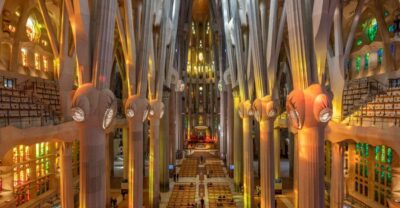
Sagrada Familia Entry Ticket with Audio Guide
Read our review →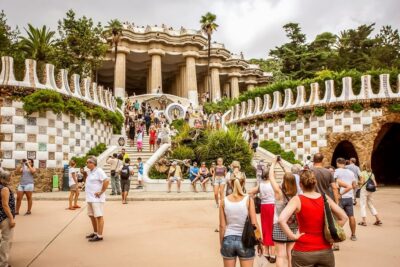
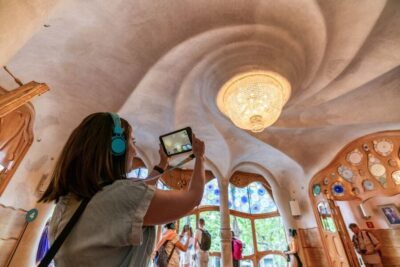

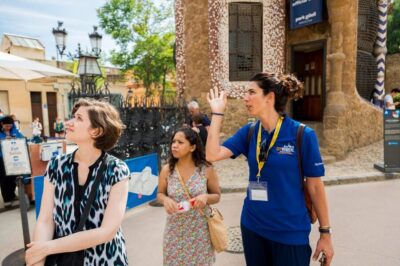
Park Guell Guided Tour with Skip The Line Entry
Read our review →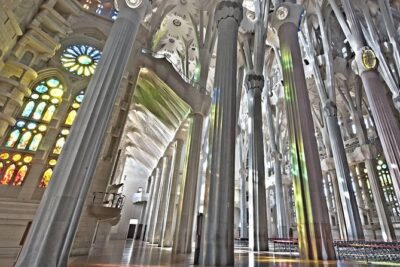
Barcelona in 1 Day: Sagrada Familia, Park Guell,Old Town & Pickup
Read our review →
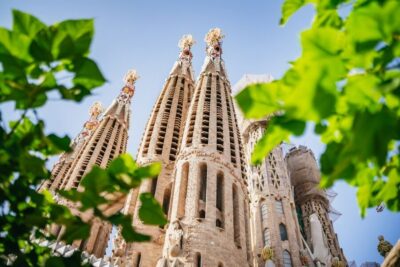
Sagrada Familia Skip-the-Line Entry Ticket & Tour
Read our review →Browse the lists this tour appears in