
Reviewed · GOTHIC QUARTER TOURS
Barcelona 2-Hour Gothic Walking Tour
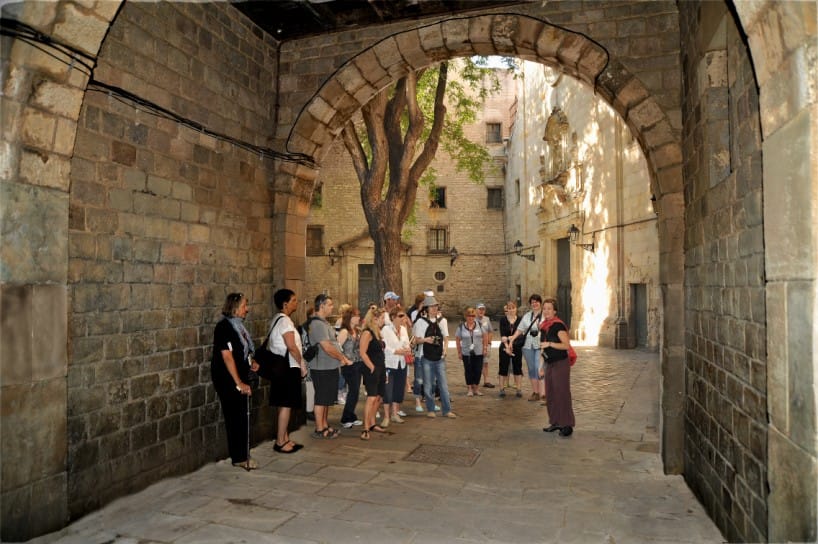
Barcelona’s Gothic Quarter is a place where a narrow lane can lead from Roman remains to a royal hall, then open onto a square marked by the Civil War. This two-hour walking tour links those layers with a local guide, so you get more than a pretty façade and a quick photo.
I like two things in particular: the route brings together major sites such as the Saló del Tinell and the Cathedral cloister, and the guide helps explain details you could easily walk past alone. The English tour also includes a free visit to the Museu Frederic Marès, a useful extra if you have time and an interest in art and everyday objects.
The main consideration is pace and footing. You’ll be on your feet for two hours, walking on old streets and stopping at several sites. Bring water, eat beforehand, and remember that the museum visit comes after the walk, so it adds time to your outing.
At a glance
- Roman remains in a medieval setting: Find the Temple of Augustus tucked into a courtyard in the old city.
- A royal stop at Plaça del Rei: See the Palau Reial Major and the Saló del Tinell, places tied to the history of Catalan rulers.
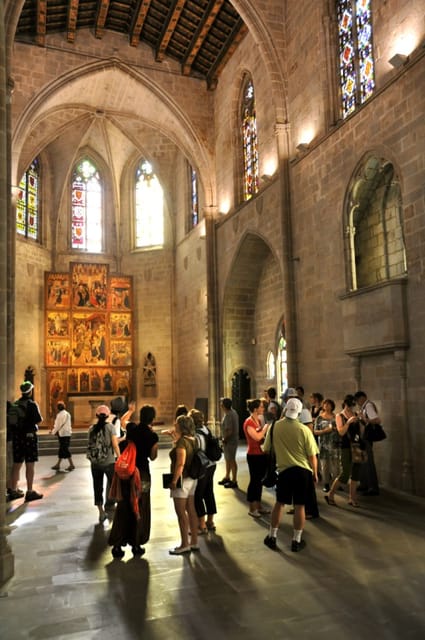
- The Cathedral and its cloister: Get a closer look at one of Barcelona’s best-known Gothic landmarks.
- A moving pause at Plaça Sant Felip Neri: See the church and walls marked by Spanish Civil War bombings.
- A museum bonus in English: Finish the walk with free time at the Museu Frederic Marès.
- A practical two-hour introduction: The sites sit close together, making this a compact way to get oriented in the old city.
A short walk through many centuries
The Gothic Quarter rewards wandering, but its tight network of streets can make the past hard to read without a little help. A Roman column might sit in a courtyard behind a medieval doorway; a grand palace may be easy to mistake for another handsome old building. A guide gives you the story that connects the pieces.
This tour covers the Gothic core on foot, with stops that bring together Roman, medieval and more recent history. You’ll see the Cathedral area, the Chapel of Santa Àgata, the former royal palace and Plaça Sant Felip Neri. The route stays within a compact part of Barcelona, but the subject matter reaches far beyond the buildings themselves.
That compact scale is one of the tour’s strengths. You spend less time getting from one attraction to another and more time looking closely at the streets and places around you. At the same time, two hours is enough for an overview, not a full study of every site. Think of it as a strong first chapter, then return to the places that catch your interest.
More Gothic Quarter walks in Barcelona:
- Barcelona all included: Sagrada, Park Güell, Montjuic & Gothic
★ 5.0 · 2,169 reviews - Barcelona Gothic Quarter Tapas & Taverns Food & Wine Tour
★ 5.0 · 1,470 reviews - Barcelona: Gothic Quarter Ghosts and Legends Walking Tour
★ 4.7 · 1,443 reviews
Starting by the Cathedral
The meeting point is the tourist information office at Plaça de la Seu, near the Cathedral. Look for the i symbol. This central location is handy if you are already exploring the old city, but the narrow lanes nearby can be confusing, so give yourself time to find the office rather than arriving at the last minute.
The Cathedral is a fitting starting point. Its Gothic exterior gives you an immediate sense of the quarter’s scale and style, while the surrounding streets show how the city grew around religious and civic landmarks. The tour includes a guided stop at the Cathedral and highlights its cloister. The cloister offers a different view from the grand street-facing façade, with a quieter, more enclosed feel.
Do not expect the route to replace a full visit to the Cathedral. The walk is designed to explain the quarter and its history, not to provide unlimited time inside every landmark. If you want a longer visit, check the Cathedral’s current access arrangements and set aside extra time separately.
Finding Roman Barcelona in a courtyard
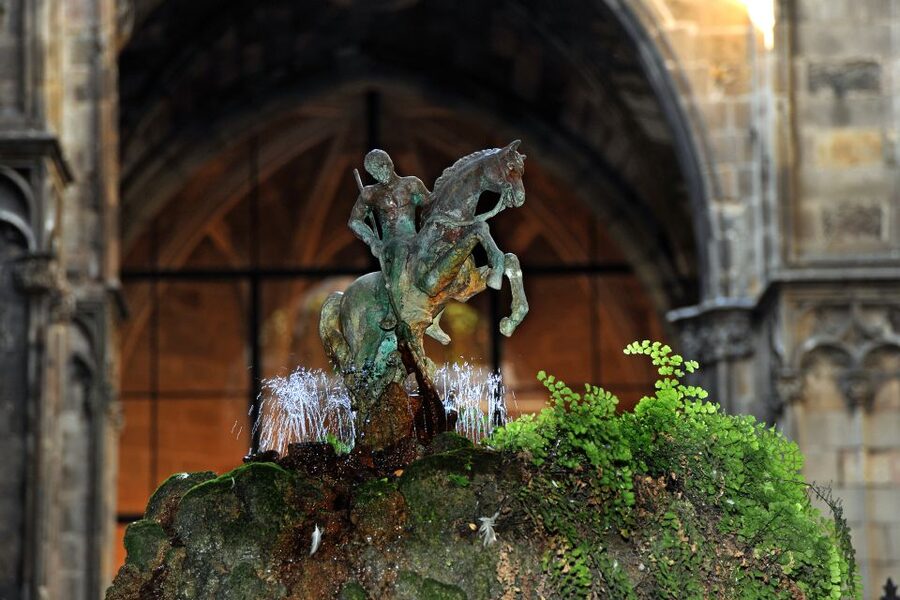
One of the most satisfying moments is the Roman Temple of Augustus, a remnant of Barcino, the Roman settlement that preceded today’s Barcelona. Its columns are tucked into a medieval courtyard, a setting that makes the city’s long timeline feel unusually close at hand.
This is exactly the sort of place that benefits from a guide. The remains are easy to miss if you do not know where to look, and the Roman site can seem puzzling without context. The tour’s explanations help you picture an earlier city beneath the streets and buildings you see now.
The quarter’s Roman traces do not appear as a separate archaeological park. Instead, they are woven into a living neighborhood. That contrast is part of the appeal: you move between ancient remains, everyday streets and later architecture without leaving the city center.
Plaça del Rei and the royal halls
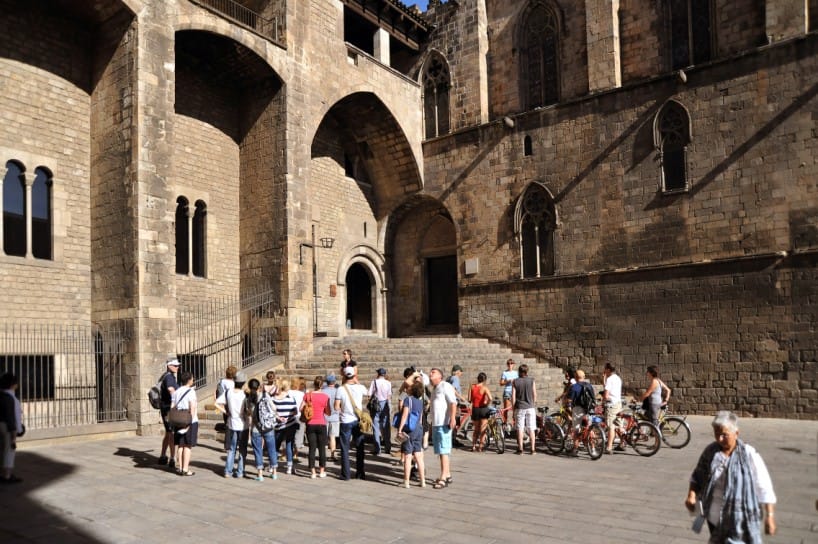
Plaça del Rei is among the tour’s most atmospheric stops. The square is framed by buildings associated with Barcelona’s royal past, including the Palau Reial Major, once a residence of Catalan kings. The Saló del Tinell, a grand hall within the palace complex, is another key highlight.
The square’s enclosed shape helps you imagine how ceremonial and political life once played out here. The guide connects the buildings to events and people, including Ferdinand and Isabella’s reception of Columbus after his voyage to the New World. That context turns a handsome group of façades into a place with a role in broader history.
The itinerary also includes the Chapel of Santa Àgata. Taken together, the chapel, palace and hall make this more than a photo stop. You get a sense of how religious, royal and civic power shared the same small stretch of the old city.
More walking tours in Barcelona:
- Barcelona Tapas and Wine Experience Small-Group Walking Tour
★ 5.0 · 5,804 reviews - Barcelona: Tapas Walking Tour with Food, Wine, and History
★ 4.8 · 4,261 reviews - Barcelona Tapas Walking Tour: Food, Wine & History
★ 4.5 · 1,928 reviews - Barcelona: Tapas Food Crawl Walking Tour with Tastings
★ 4.9 · 1,798 reviews
Plaça Sant Felip Neri, a quieter stop
The tour’s most sobering pause comes at Plaça Sant Felip Neri. The small square is known for its Baroque church and the pockmarked walls left by Spanish Civil War bombings. It is a quiet place, but its marks are difficult to overlook once you know what they mean.
This stop adds a more recent chapter to a tour that also reaches back to Roman times. Barcelona’s past is not only a story of grand architecture and royal ceremonies. Here, the stones point to conflict and loss, while the square remains part of daily life.
The location can feel especially still compared with the nearby lanes. Children play here, and musicians sometimes fill the square with sound. That mix of memory and ordinary life gives the stop its weight without turning it into a museum display.
What the guide adds
The tour’s value depends heavily on the guide’s ability to bring the streets into focus. Guides who have led the experience include Olga Escribano, Jordi, Alex, Pilar and Val. The guiding style described by past participants has often been warm, clear and open to questions, with history linked to architecture and local life rather than delivered as a string of dates.
That matters in a district where visual details can be misleading. A guide can point out a feature you might otherwise miss, explain why a building matters and help you distinguish different periods of the city’s past. Some guides have also used pictures to make historical sites easier to understand.
You can ask questions as you go, and the tour can be a useful place to get suggestions for other sights to see afterward. Do not count on a particular guide by name, though. The guide is assigned for your tour, and the roster may change.
The Museu Frederic Marès is a worthwhile extra
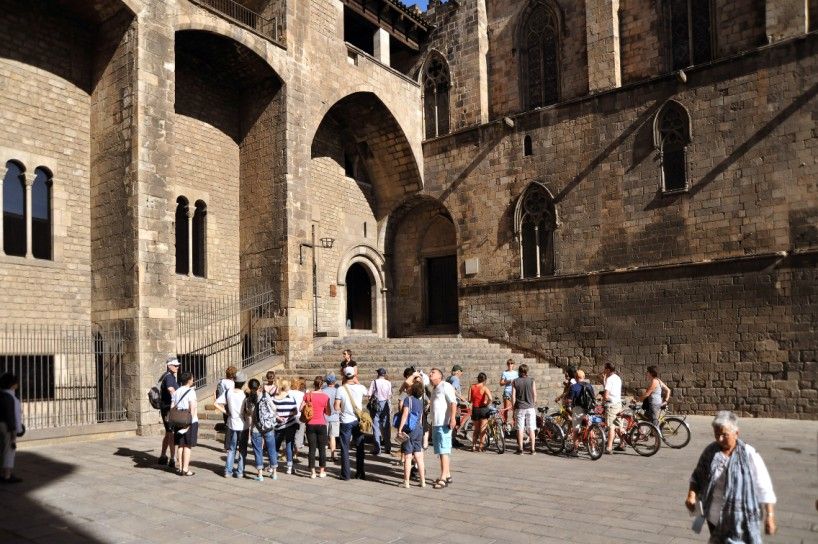
The English-language tour includes free admission to the Museu Frederic Marès after the walk. Housed in a medieval palace, the museum holds sculptures as well as objects from daily life collected by artist Frederic Marès. Its galleries range from medieval religious art to 19th-century belongings and curiosities.
The museum makes a good follow-on because it shifts your attention from streets and buildings to the objects people made, used and kept. It also gives you a chance to continue exploring at your own speed after the guided portion ends.
Keep the timing in mind: the museum visit takes place after the two-hour walk, and the tour information does not set a duration for your free time there. If you have a tight schedule, treat the museum as a bonus rather than assuming the entire outing will last exactly two hours.
Is $32 a fair price?
At $32 per person, this tour offers a reasonable return if you want more than a self-guided stroll. You are paying for a local guide who can explain the sites, lead you through the quarter and make lesser-noticed details easier to find. The included museum admission for the English tour adds value, particularly if you enjoy sculpture and historic objects.
The price makes less sense if you prefer to explore entirely at your own pace or already know the quarter well. You can walk these streets for free, and a guide’s explanations will not suit everyone. But for a first visit, the cost buys structure and context in an area where the streets can feel like a maze and the history spans many eras.
The tour has a 4.7 rating from 317 reviews, a strong overall score. The comments behind that rating especially praise the guides’ explanations, friendly manner and ability to make the district easier to understand. The repeated advice is simple: the tour helps you notice things you might not find on your own.
Getting ready for two hours on foot
Wear comfortable shoes and bring water. The route is compact, but you will be standing and walking for two hours, often on old paving. One participant with movement difficulties found the pace manageable with a helpful guide, but that does not guarantee the same pace or support on every departure.
Have a snack or meal before you start. It is a small preparation that can make a long walking stop much more pleasant. The tour is outdoors for much of its route, so weather can affect your comfort. An umbrella helped one group on a rainy day, and audio equipment made the guide easier to hear in wet conditions, though equipment is not listed as a standard inclusion.
This is a good first-day activity if you want to get your bearings and decide what to revisit. It also suits history-minded visitors, architecture fans and families with older children who are happy to walk and listen. If you are traveling with very young children or need frequent rest stops, ask about the pace before booking.
Should you book this Gothic Quarter tour?
Book it if you want a compact, guided introduction to Barcelona’s old center, especially if you care about Roman remains, medieval architecture and the stories behind the city’s landmarks. The route’s mix of the Cathedral, royal halls, Santa Àgata Chapel and Plaça Sant Felip Neri gives you a broad sense of the quarter without requiring a full day.
I would choose it early in a Barcelona stay, then use the guide’s explanations to shape later visits. The strongest reasons to go are the local context and the chance to spot details you might otherwise pass by. Skip it if you want a slow, unstructured wander or cannot comfortably spend two hours on foot.
FAQ
How long is the guided walking tour?
The guided tour lasts two hours. The included museum visit takes place afterward, and no duration is specified for that free time.
What language is the tour in?
The live guided tour is in English.
Where is the meeting point?
Meet at the tourist information office at Plaça de la Seu. Look for the i symbol.
Is the Museu Frederic Marès included?
Yes. The English tour includes free admission and time to visit the museum after the walk.
What places are included on the route?
The route includes the Gothic Quarter, Barcelona Cathedral, the Chapel of Santa Àgata, the Museu d’Història de Barcelona and Plaça Sant Felip Neri. Highlights also include the Saló del Tinell and the Cathedral cloister.
How much does the tour cost?
The listed price is $32 per person.
More two-hour experiences in Barcelona
- Barcelona: Two-Hour Midday or Sunset Sailing Cruise
★ 4.8 · 1,732 reviews - Barcelona: 2-Hour City Sights Guided Segway Tour
★ 4.9 · 453 reviews - Barcelona: 2-Hour Sailboat Tour with Snacks and Drinks
★ 4.8 · 357 reviews - Barcelona: Jewish Quarter 2-Hour Walking Tour
★ 4.8 · 333 reviews
Reviewed this season in Barcelona
- Two Hour Luxury Sailing Experience with Open Bar★ 4.8 · 13 reviews
- Sunset from a private Classic Yacht★ 5.0 · 3 reviews
- Stories, Legends and Mysteries of Barcelona★ 5.0 · 14 reviews
- Skip-the-Line Barcelona & Montserrat Tour with Pick-up★ 4.6 · 47 reviews
- Skip-the-line Montjuïc Castle Tour with a Cable Car Ride★ 4.7 · 7 reviews
- Barcelona: Old Town & Seafront Segway Tour★ 4.9 · 145 reviews
- Shore Excursion of Barcelona★ 4.9 · 4 reviews
- Barcelona Highlights Half Day Small Group Tour★ 5.0 · 4 reviews
Gothic Quarter Tours, compared.
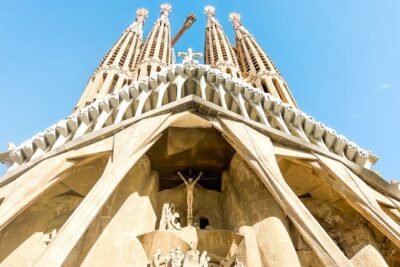
Barcelona all included: Sagrada, Park Güell, Montjuic & Gothic
Read our review →
Barcelona Gothic Quarter Tapas & Taverns Food & Wine Tour
Read our review →
Gothic Quarter Ghosts and Legends Walking Tour
Read our review →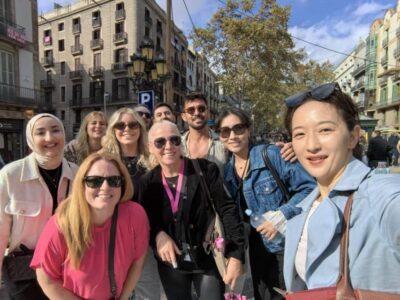
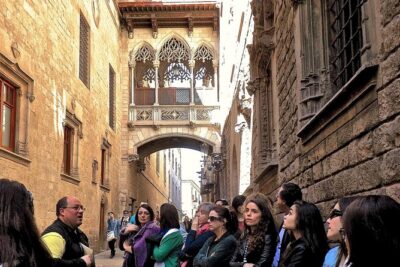
Barcelona Old Town & Gothic Quarter Small Group Tour
Read our review →
Ramblas, Old Town, Gothic and Gaudi Architecture Walking Tour
Read our review →
El Born and Gothic Quarter Wine & Tapas Bar Tour
Read our review →
El Born Food Walking Tour with Tapas and Drinks
Read our review →Browse the lists this tour appears in