
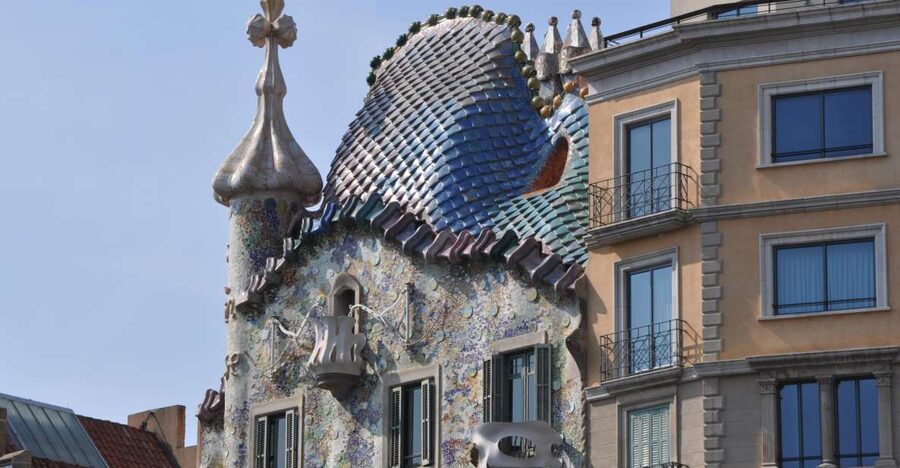
Reviewed · BARCELONA GAUDÍ TOURS
Barcelona: Discover Gaudi Architectural Guided Tour
Gaudí’s buildings make more sense when you learn to read them. On this three-hour walk, an architect-guide connects the famous façades to the city’s changing ideas about architecture, urban planning, and public space. The route includes Casa Batlló and Casa Milà, plus work by other major Modernisme architects.
I like two things especially: you see Gaudí alongside his contemporaries, rather than treating him as a one-man show, and your guide is a practicing architect who can explain how design works, not just what a building looks like. Guides such as Pia, Daniela, and Tomasz have led the tour, with visual aids and clear answers for curious questioners.
One point to plan around: you do not go inside any buildings. This is an outdoor architecture walk, so it suits you best if you want context and a trained eye, not interior visits or a close-up look at Gaudí’s decorated rooms.
- Three Gaudí houses, seen from the street: Casa Calvet, Casa Batlló, and Casa Milà are part of the walk.
- A broader Modernisme picture: Compare Gaudí’s work with Casa Amatller, Casa Lleó Morera, and the Antoni Tàpies Foundation.
- Architect-guides bring practical insight: Guides are practicing architects, and some also teach or write about architecture.
- Barcelona’s city planning is part of the story: The walk looks at the beginnings of modern urbanism and the role of courtyards as public gardens.
- A three-hour, English-language walk: The full route is wheelchair accessible, and the buildings are viewed from outside.
Reading Gaudí in the streets of Barcelona

This walk is less about ticking off façades than learning how to look at them. Gaudí’s residential buildings are famous for their visual force, but a guide helps you connect the shape and style of each project to the architect’s changing ideas and the period in which he worked.
That wider frame matters. Barcelona’s Modernisme period included several architects with distinct approaches, and the tour brings Gaudí into conversation with Domènech i Montaner and Puig i Cadafalch. You’ll see Casa Lleó Morera and Casa Amatller alongside Gaudí’s houses, as well as the Antoni Tàpies Foundation.
The result is a more useful way to explore the city after the tour. Instead of seeing one striking building after another, you begin to notice how Barcelona’s architecture reflects broader questions about design, city life, and public space. That is the value of having an architect lead the walk: you can ask how a building works, not only who designed it.
Starting on Passeig de Gràcia
The meeting point is beside Joan Brossa’s sculpture, in front of the Comedia Cinema, where Passeig de Gràcia meets Gran Via. It is a central place to begin a walking tour of the area, and the specific landmark helps you find the group without guessing which doorway or corner is meant.
The tour lasts three hours and is described as a morning experience. Check the available start times when choosing a date, and wear clothing suited to the forecast. Barcelona often has pleasant weather, but the operator advises preparing for different conditions; a walk is cancelled only when weather creates a safety risk.
You’ll be on foot for the tour, so allow for the full three hours in your day. The route is wheelchair accessible, an important practical advantage for an experience built around moving between outdoor sites. If you want to enter Gaudí’s houses, though, arrange separate visits: this walk does not include building interiors.
More Gaudí tours in Barcelona:
- Barcelona: Park Güell and Gaudí House Museum Entry Ticket
★ 4.5 · 6,326 reviews - Barcelona: Gaudi’s Casa Vicens Skip-the-Line Entrance Ticket
★ 4.7 · 3,449 reviews - Sagrada Familia & Gaudi Tour Private or Small Group with Tickets
★ 4.5 · 1,188 reviews
Seeing Gaudí beside his contemporaries
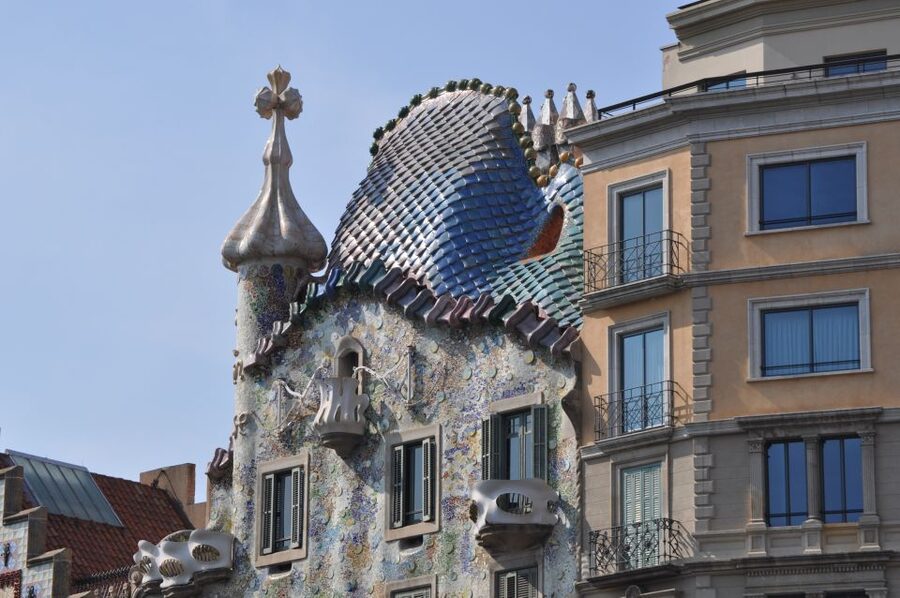
The route includes three residential buildings designed by Gaudí: Casa Calvet, Casa Batlló, and Casa Milà. Seeing them on the same walk lets you compare projects across his career instead of encountering each as a separate attraction. Your guide can point out how his approach developed and explain the ideas behind the designs.
The other buildings are not filler. Casa Amatller, designed by Puig i Cadafalch, and Casa Lleó Morera, by Domènech i Montaner, help you understand that Modernisme was a wider movement, not simply another name for Gaudí’s work. The Antoni Tàpies Foundation adds another point of comparison in the architectural mix.
The tour is focused on exteriors, so the experience depends on what you can take in from the street and what your guide helps you notice. That format makes it easy to compare buildings without spending the day moving through multiple interiors. It also means you should not expect to see the decorated rooms, structural details, or interior layouts of Gaudí’s houses on this outing.
Connecting architecture to Barcelona’s urban story
The walk also looks beyond individual buildings to the city around them. You’ll hear about the beginnings of modern urbanism and how Barcelona’s design developed, including the role of hidden courtyards and how they became public gardens.
This city-planning thread is one of the tour’s most useful parts. A courtyard can seem like a quiet corner until someone explains how public space fits into a neighborhood’s design. Likewise, understanding urban planning gives you a way to read the city beyond the famous façades.
The guide’s wider context may include social and political questions. Pia, one of the named guides, has been praised for connecting architecture to the circumstances that shaped Barcelona and for handling questions without letting the conversation lose focus. Expect a guide who can adjust the level of detail to the group, rather than a lecture that assumes everyone has studied architecture.
Following Gaudí’s changing aims
Gaudí’s career is presented as a series of turning points. The tour traces a path from social concerns toward a greater focus on the divine, and explores how he came to be described as the last great cathedral builder. It also covers his early steps with the Sagrada Família, his last commission from patron Eusebi Güell, and a project in Manhattan.
These connections help put the buildings you see into a larger arc. Instead of treating Gaudí’s work as a fixed style, you can consider how his priorities changed over time. The guide can also discuss the visual power that made his architecture an inspiration to Surrealists and helped make him Spain’s best-known architect.
You do not need a technical background to follow this part. The guides are practicing architects, and many also teach architecture or work as critics, but the tour is intended to make the buildings accessible to a broad audience. If you are eager for construction details, you can ask; if not, you can still follow the story through the buildings and their place in the city.
More guided tours in Barcelona:
- Barcelona: Sagrada Familia Entry Ticket with Audio Guide
★ 4.6 · 105,312 reviews - Barcelona: Park Guell Guided Tour with Skip The Line Entry
★ 4.7 · 17,563 reviews - Fast Track Sagrada Familia Guided Tour
★ 4.5 · 8,795 reviews - Park Guell Guided Tour with Skip the Line Ticket
★ 4.5 · 6,996 reviews
What an architect-guide adds
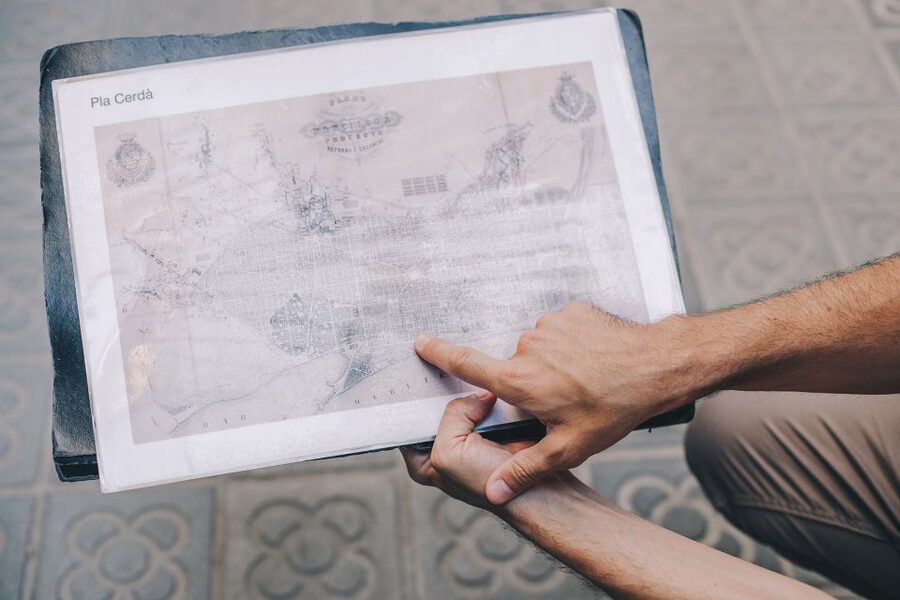
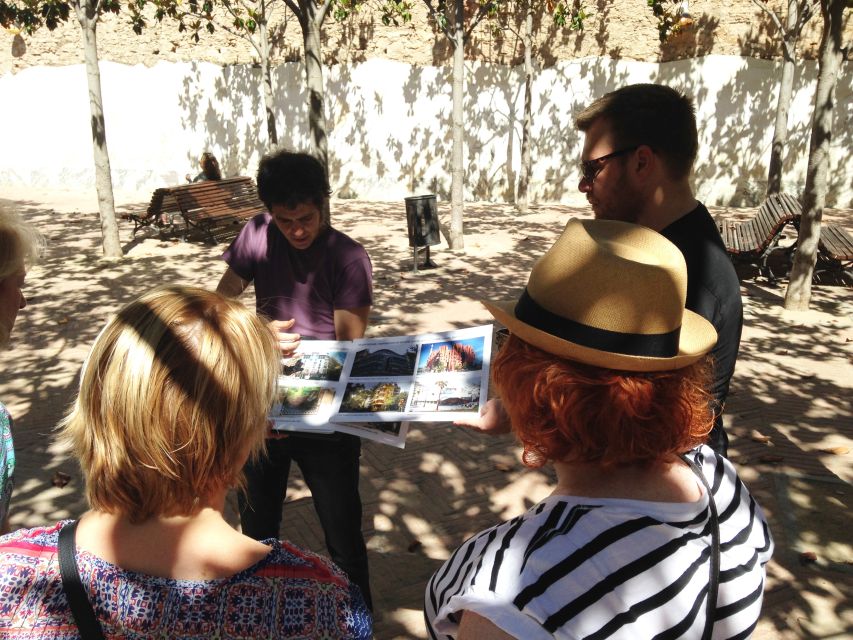
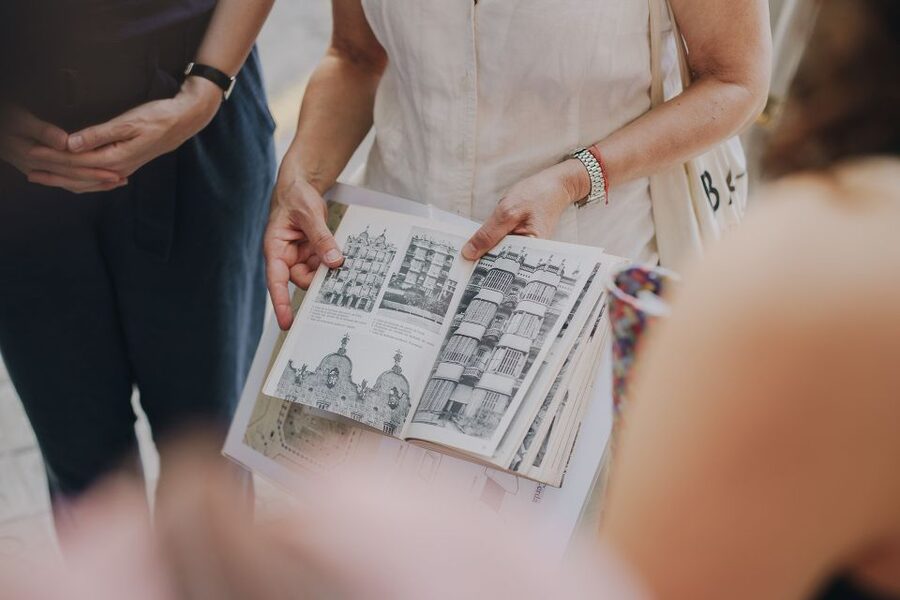
A strong guide is central to this experience. Pia, Daniela, and Tomasz are among the guides named by participants, and their approach has included clear explanations, enthusiasm, and attention to questions. Tomasz has used visual aids, while Pia has brought notes and images to help explain the city layout and the buildings.
That kind of material can be especially helpful outdoors. A façade gives you a lot to look at, but an image or plan can make a design point easier to grasp while you are standing on the street. The guide’s professional background also gives you room to ask about engineering, urban design, or the logic behind a building’s form.
The best fit is a curious visitor, not necessarily an architecture specialist. Guides have been able to keep the discussion at a broad, lively level while still answering more technical questions. If you are traveling with someone who likes architecture but worries that a three-hour tour will be too academic, this balance is worth considering.
Is $53 good value?
At $53 per person, the price buys a three-hour guided walking tour and an architectural city guide, not admission to buildings. You’re paying for the guide’s expertise and for a connected explanation of several important buildings and the city around them.
I see the value in the range of subjects covered. You get Gaudí, his Modernisme contemporaries, Barcelona’s urban design, and the evolution of public courtyards in one walk. If you were to view the buildings without context, you could still admire them, but you might miss the connections that make one stop illuminate the next.
The trade-off is straightforward: this is not a budget substitute for entering Casa Batlló or Casa Milà. If interior visits are your priority, set aside time and money for those separately. If you want a strong orientation before exploring more of the city, the guide’s architectural perspective can pay off beyond the three-hour route.
At the end, you receive a guide written by the local partner’s team, with suggestions for places to have a drink and more architecture to admire. That is a practical extra: it gives you ideas for what to see next without making the walk itself longer.
Who should book this walk?
Book it if you want to understand the buildings rather than simply photograph them. It suits architecture fans, city-planning enthusiasts, and first-time visitors who want a clearer sense of how Gaudí fits into Barcelona’s broader design story.
It can also work well if you are curious but not technical. The guide’s job is to make the subject understandable, and the tour includes enough historical and social context to give the architecture meaning. If you already know Gaudí’s work, the comparison with other Modernisme architects and the urban-planning discussion may add a useful new angle.
Skip it if you mainly want to see interiors, need a very short introduction, or would rather explore at your own pace. Three hours is a meaningful block of time, and the walk’s strength is its guided interpretation. For someone who wants that context, the format is focused and worthwhile.
The booking terms add flexibility: cancellation is free up to 24 hours in advance, and you can reserve now and pay later. The tour is in English, is wheelchair accessible, and goes ahead in ordinary weather, with cancellations only when conditions pose a safety threat.
FAQ
How long is the tour?
The walking tour lasts three hours.
What language is the tour in?
The live tour guide speaks English.
Where is the meeting point?
Meet beside the Joan Brossa sculpture, in front of the Comedia Cinema at the intersection of Passeig de Gràcia and Gran Via.
Which Gaudí buildings are included?
The walk includes Casa Calvet, Casa Batlló, and Casa Milà.
Will I go inside the buildings?
No. The buildings are viewed from outside.
Which other architectural sites are included?
The walk includes the Antoni Tàpies Foundation, Casa Lleó Morera by Domènech i Montaner, and Casa Amatller by Puig i Cadafalch.
Is the route wheelchair accessible?
Yes. The entire tour is wheelchair accessible.
Who leads the tour?
The guides are practicing architects. Some also teach architecture or work as architectural critics.
What should I bring?
Wear clothing suited to the weather. The operator recommends preparing for different conditions.
Can I cancel for a refund?
Yes. You can cancel up to 24 hours in advance for a full refund.
Reviewed this season in Barcelona
- Two Hour Luxury Sailing Experience with Open Bar★ 4.8 · 13 reviews
- Sunset from a private Classic Yacht★ 5.0 · 3 reviews
- Stories, Legends and Mysteries of Barcelona★ 5.0 · 14 reviews
- Skip-the-Line Barcelona & Montserrat Tour with Pick-up★ 4.6 · 47 reviews
- Skip-the-line Montjuïc Castle Tour with a Cable Car Ride★ 4.7 · 7 reviews
- Barcelona: Old Town & Seafront Segway Tour★ 4.9 · 145 reviews
- Shore Excursion of Barcelona★ 4.9 · 4 reviews
- Barcelona Highlights Half Day Small Group Tour★ 5.0 · 4 reviews
Barcelona Gaudí Tours, compared.

Park Güell and Gaudí House Museum Entry Ticket
Read our review →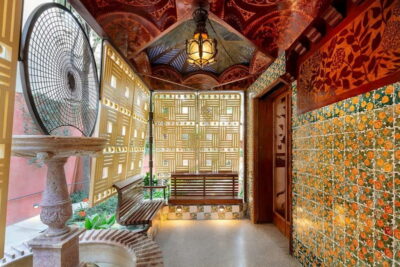
Gaudi’s Casa Vicens Skip-the-Line Entrance Ticket
Read our review →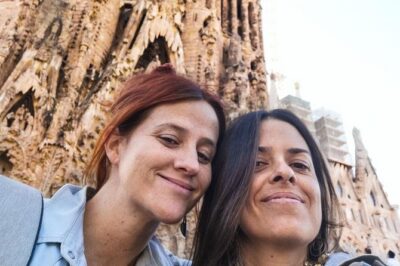
Sagrada Familia & Gaudi Tour Private or Small Group with Tickets
Read our review →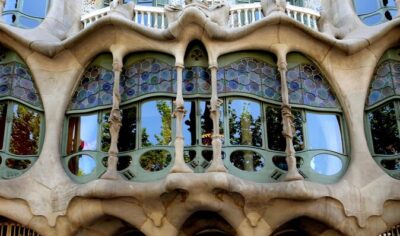
Complete Gaudi Tour: Casa Batllo, Park Guell & Sagrada Familia
Read our review →
Park Güell: Guided Tour with Optional Gaudí Experience Entry
Read our review →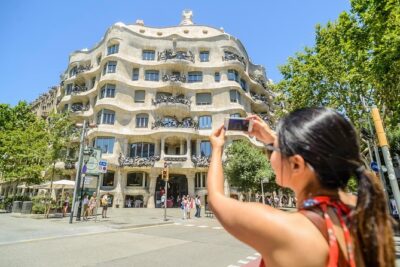
Barcelona e-Bike Tour: Gaudí & Old Town Small Group
Read our review →
Ramblas, Old Town, Gothic and Gaudi Architecture Walking Tour
Read our review →
Discover Gaudí, Sagrada Familia, and Park Güell
Read our review →Browse the lists this tour appears in